


Access Denied
IMPORTANT! If you’re a store owner, please make sure you have Customer accounts enabled in your Store Admin, as you have customer based locks set up with EasyLockdown app. Enable Customer Accounts
All Products
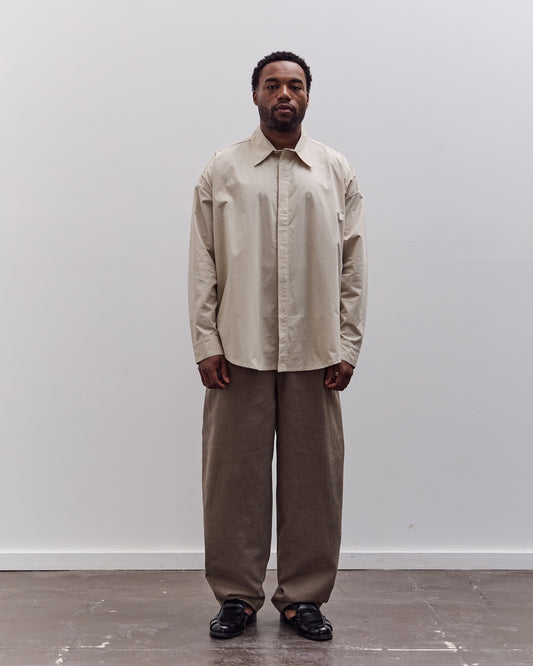


7115 by Szeki Cocoon Dress Shirt Unisex, Almond
$245
A cocoon dress shirt with a fluid fit and subtle rounded volume through the back. Featuring hidden panel construction along the side seams, a hidden button closure, adjusted cuffs, and a slightly exaggerated collar. It can be worn as a generous shirt over trousers or layered open for a softer outer shape. Finished with lightweight cotton, a smooth hand, and soft Almond tone. fit Prince is 5'10" and typically wears a Large in tops. Roomy relaxed fit with longer length through the back. details Made in Guangzhou City, China100% CottonHand wash cold, lay flat to dry
Go to product page >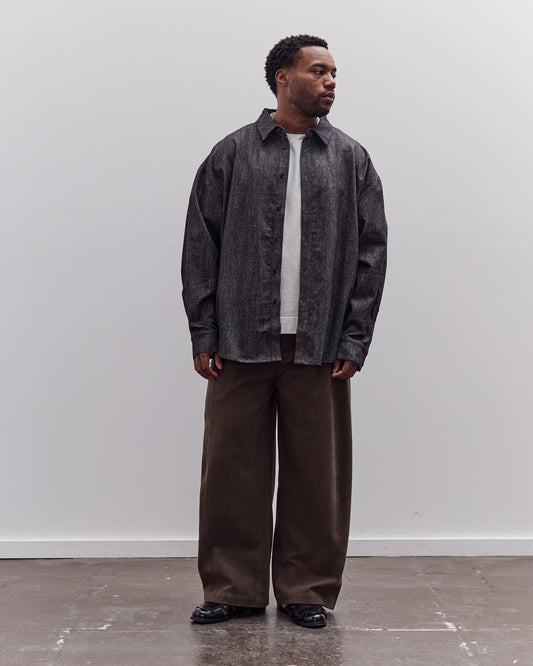


7115 by Szeki Soft Denim Dolman Shirt Unisex, Black
$278
A unisex button down shirt with a fluid boxy body and an easy drape. Featuring dropped shoulders, subtle dolman sleeves, a back yoke box pleat, and mid weight cotton twill with natural slubs. It can be worn open over a tee or buttoned with trousers for a clean layered profile. Finished with a soft denim hand, breathable structure, and deep Black tone. fit Prince is 5'10" and typically wears a Large in tops. He's wearing the size X-Large here for a relaxed fit. details Made in Guangzhou City, China100% CottonHand wash cold, lay flat to dry
Go to product page >


7115 by Szeki Soft Denim Pleated Culotte Unisex, Black
$298
A pleated culotte with a voluminous cropped leg and a high waisted shape. Featuring front pleats, side pockets, a back zip closure, and an elasticated back waistband. It can be worn with a simple tee, structured shirt, or knitwear to balance the wide silhouette. Finished with mid weight cotton twill, natural slub texture, and deep Black tone. fit Prince is 5'10" and typically wears a 33 in bottoms. He's wearing the size X-Large here for a relaxed fit. High waisted fit with an elasticated back waistband and wide cropped leg. details Made in Guangzhou City, China100% CottonHand wash cold, lay flat to dry
Go to product page >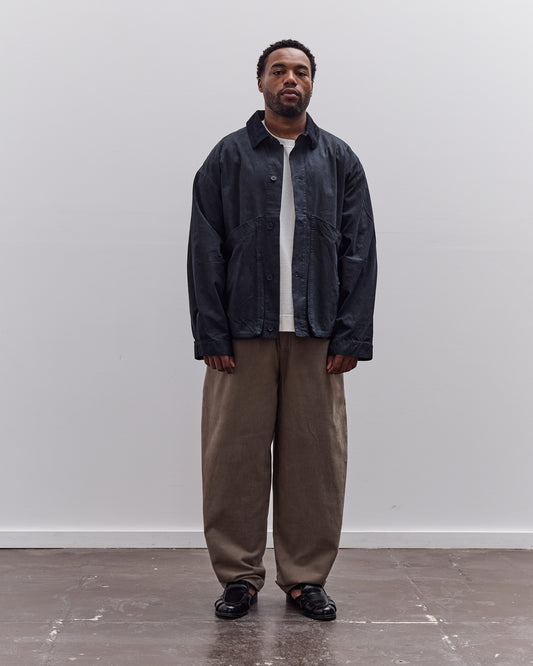


7115 by Szeki Waxed Panel Pockets Shirt Jacket Unisex, Navy Black
$368
A shirt jacket with a utilitarian shape and relaxed outer layer profile. Featuring a spread collar, button placket, dropped shoulders, and two oversized gusseted panel pockets. It can be worn over shirting or knitwear as a structured layer for transitional weather. Finished with dense waxed cotton, a firm hand, and dark Navy Black tone. fit Prince is 5'10" and typically wears a Large in tops. He's wearing the size Large here for a regular fit. Relaxed fit with dropped shoulders. details Made in Guangzhou City, China100% Waxed CottonBrush clean only
Go to product page >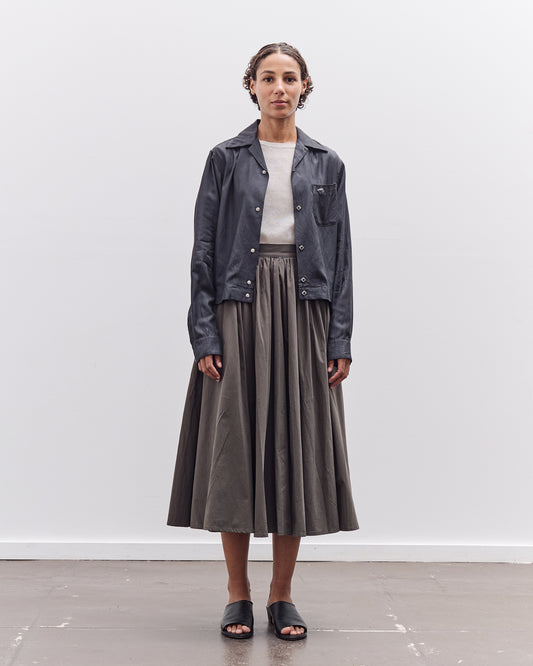


7115 by Szeki Prairie Skirt, Deep Olive
$285
A prairie skirt with a high waisted shape, full length, and soft volume through the body. Featuring pleating, a concealed side zipper, a single side button, and an elasticated back waistband. It can be worn high on the waist with a fitted knit, boxy shirt, or cropped jacket. Finished with lightweight cotton, a smooth hand, and deep Olive tone. fit Kass is 5'9" and typically wears a 27 in bottoms. She's wearing the size small here for a regular fit. True to size with an elasticated back waistband. details Made in Guangzhou City, China100% CottonHand wash cold, lay flat to dry
Go to product page >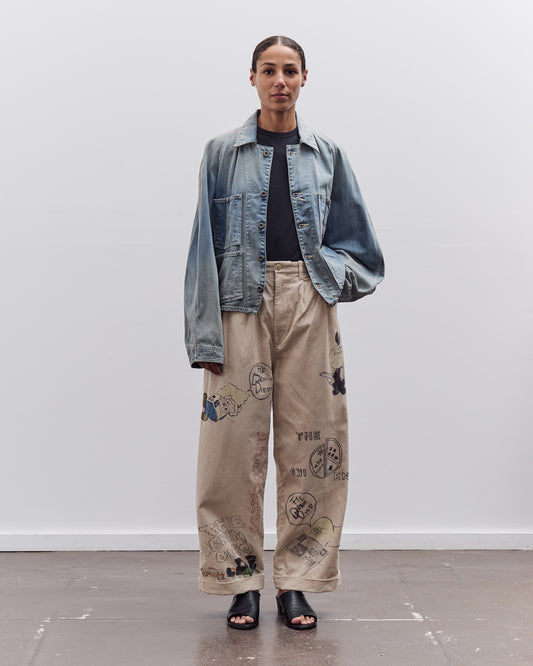


Kapital Unisex 14W Corduroy IVY Pants (Memorial Paint Model), Beige
$1,242
A unisex, high-waisted pant with relaxed fit that tapers towards the ankle. Cut from a soft mid weight cotton corduroy and printed with sketch drawing graphics on the front and back panels. This style features two small front pleats, two front slash pockets and two back welt pockets. Finished with a zipper fly and button waist closure. fit Kass is 5'9" and typically wears a size 27 in bottoms. She's wearing the size 2 here for a relaxed fit. details Made in Japan100% CottonMachine Wash Cold
Go to product page >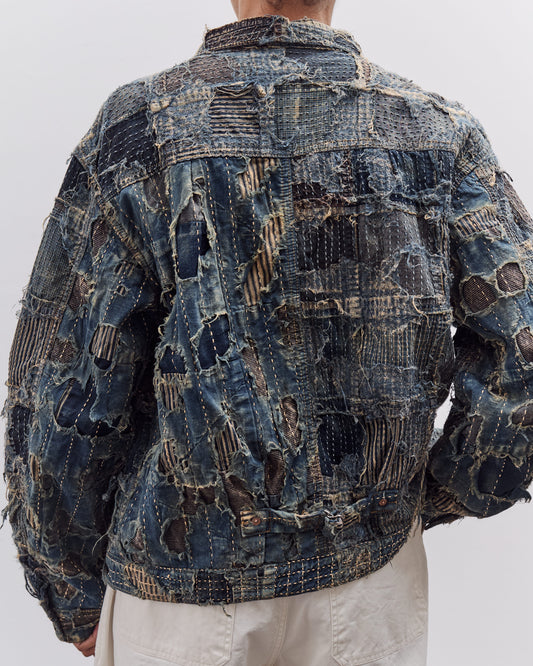


Kapital BORO SPRING 1st JKT, IDG
$2,695
The Boro 1st Jacket has a Type I inspired silhouette, which is relaxed and shorter in length. Cut from an indigo dyed boro cotton fabric with hand-stitched Sashiko throughout. Detailed with a spread collar, single chest pocket with button flap, button up front, buttoned cuffs and finished with a back cinch tab. fit Kass is 5'9" and typically wears a size Small in jackets. She's wearing the size 3 here for a relxed fit. details Made in Japan100% CottonMachine Wash Cold
Go to product page >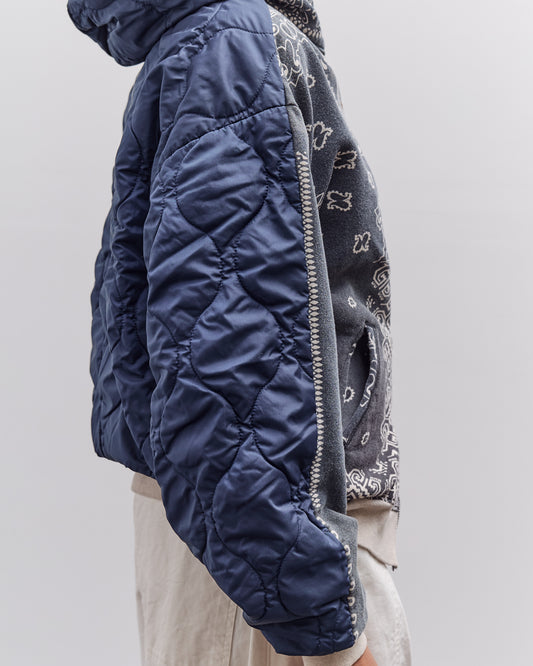


Kapital Swt Knit Bandana Bivouac Hooded Blouson, Black
$635
A bandana-patterned hooded blouson finished with a quilted fabric on the back. It has been processed for a vintage feel with a washed finish. Features a shrunken fit with hood, front zip, and other traditional hoody details. There are individual differences in pattern placement. This product uses quilted fabric. Due to product processing, there may be thread breaks or fraying in the quilting stitches, but the affected areas have been repaired to prevent fraying, so there is no problem with daily wear. fit Kass is 5'9" and typically wears a size Small in tops. He is wearing the size 2(S) here for a relaxed fit. details Made in Japan100% Cotton Front, 100% Polyester BackMachine Wash Cold
Go to product page >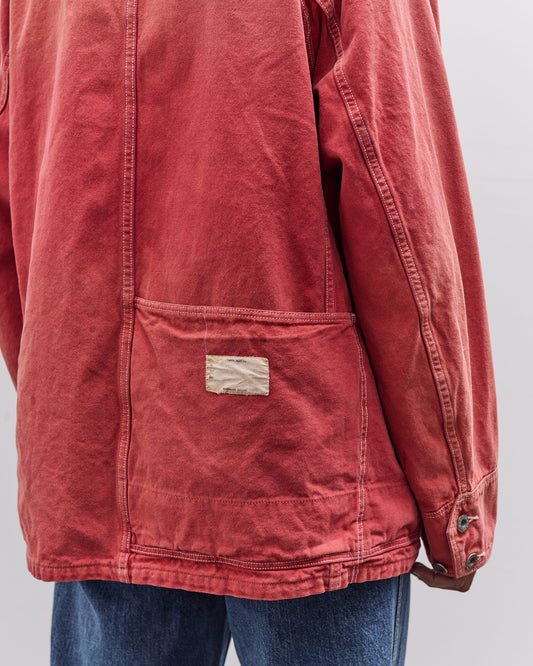


Kapital Canvas CACTUS Coverall, CALIFORNIA R
$556
A workwear inspired coverall made from an overdyed red canvas fabric. Constructed from a midweight cotton canvas fabric with a rustic, worn-in hand. Features front chest and catch-all pockets, interior hidden and back side pockets. Finished with a white contrast top stitch and reinforced button holes. fit Kass is 5'9" and typically wears a size Small in tops. She's wearing the size 2 here for a relaxed, easy fit. Style is running true to size. details Made in Japan100% CottonMachine Wash Cold or Hand Wash
Go to product page >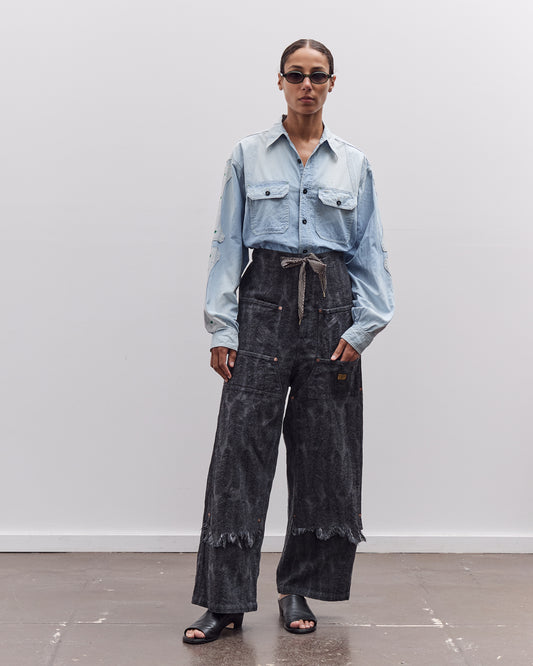


Kapital Chambray 2TONES BONE Patch Ventilator Workshirt, Sax
$730
A light blue chambray over-shirt that can be styled as a shirt or jacket. Cut from a mid-weight cotton chambray featuring bone shaped appliqué on the sleeves. Features double chest flap pockets with button closure and green embroidered ventilation holes on the sleeves and yoke. Finished with a side curved hemline, curved back yoke, and contrast front buttons. fit Kass is 5'9" and typically wears a size Small in tops. She's wearing the size 3 here for a relaxed fit. details Made in Japan100% CottonMachine Wash Cold
Go to product page >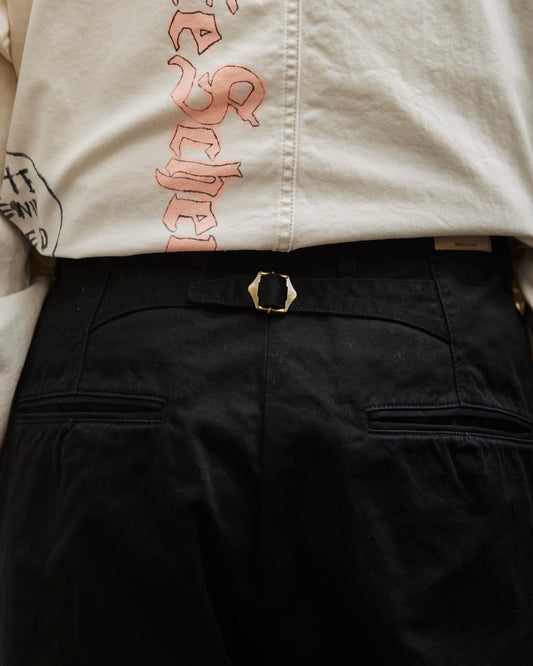
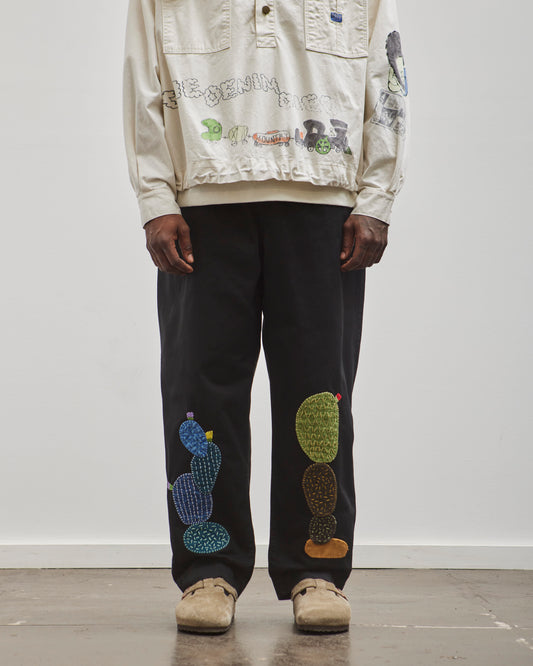
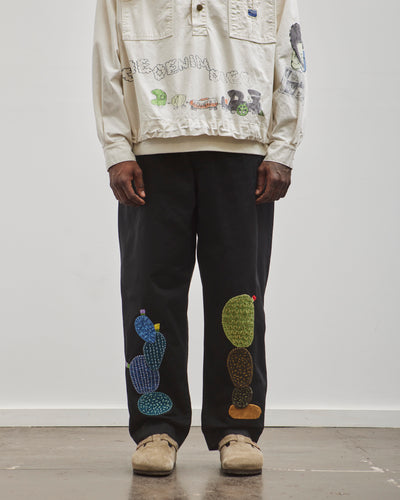
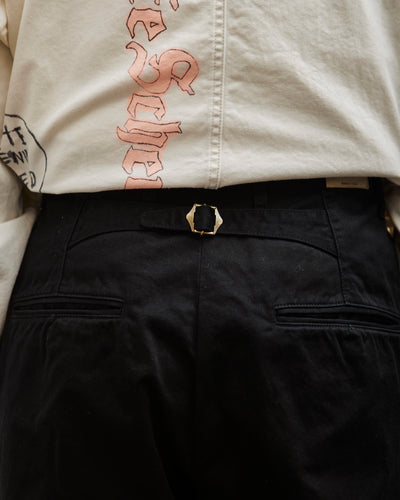
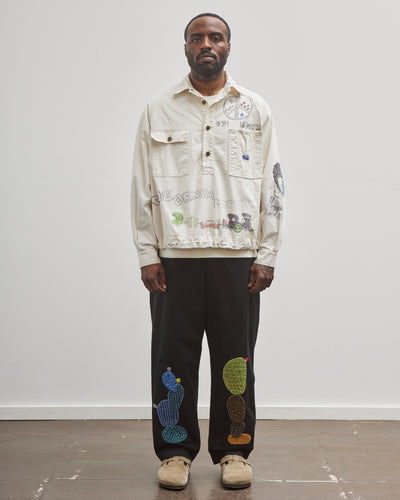
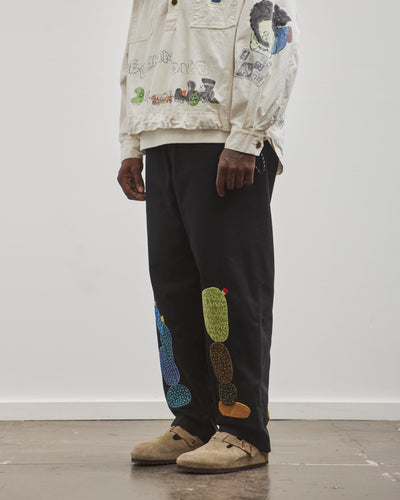
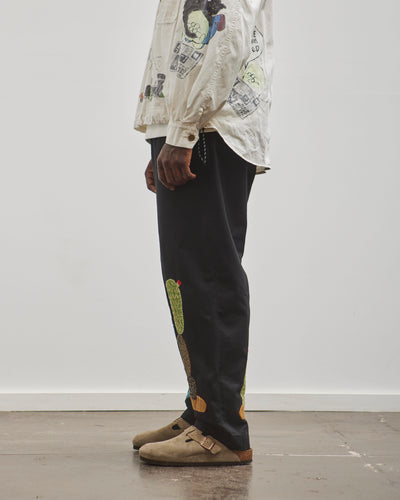
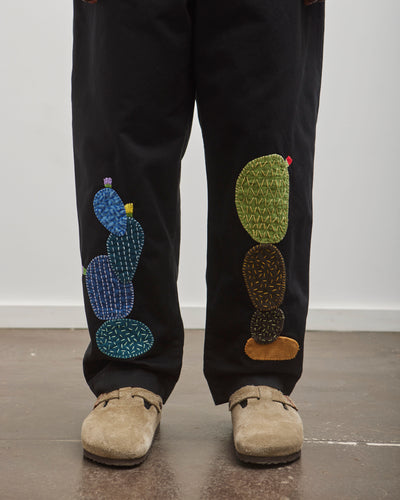
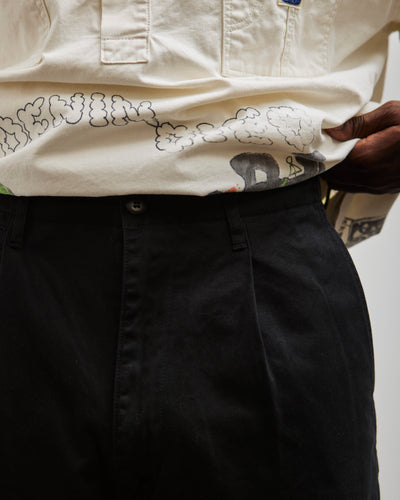
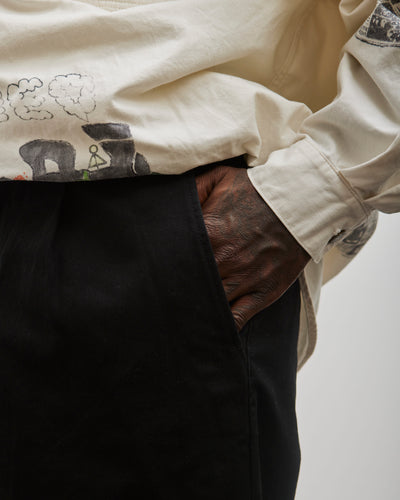
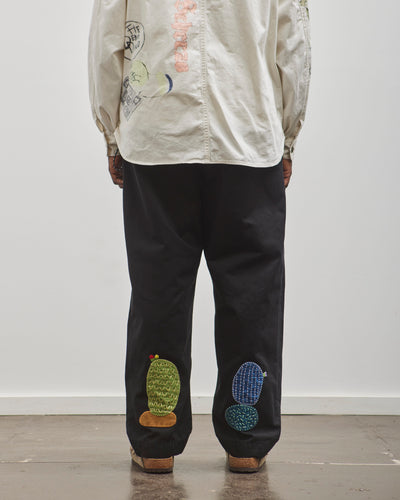
Kapital Unisex Chino High Waisted NIME Pants (CACTUS Embroidery), Black
$901
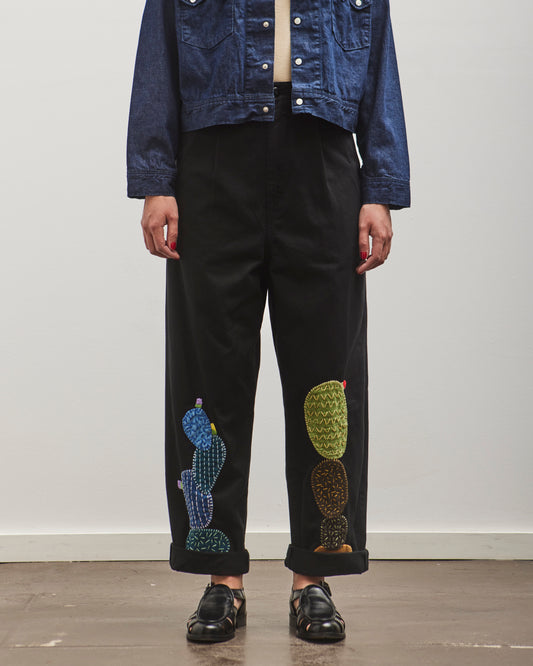
A unisex, high-waisted pant with relaxed fit that tapers towards the ankle. Cut from a soft mid weight cotton chino and features a colorful cactus embroidery on the front and back legs. This style features two small front pleats, five pockets including a small coin front pocket, and a tack and back cinch that's slightly adjustable. fit Himi is 6'0" and typically wears a size 34 in bottoms. She's wearing the size 4 here for a relaxed fit. Style is running true to size. details Made in Japan100% CottonMachine Wash Cold
Go to product page >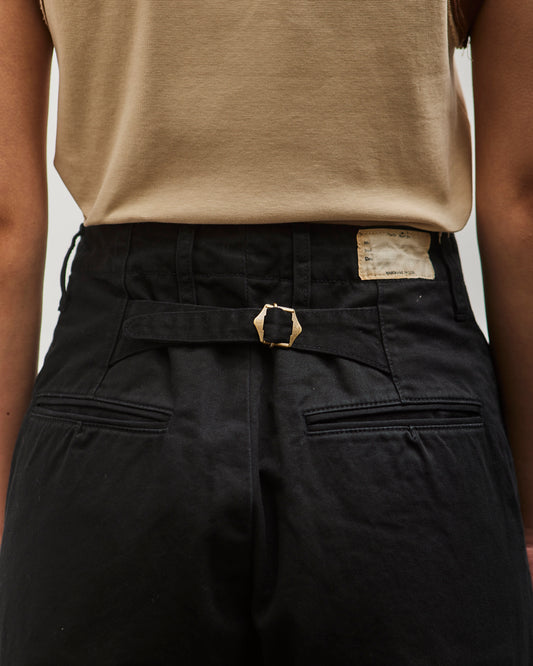
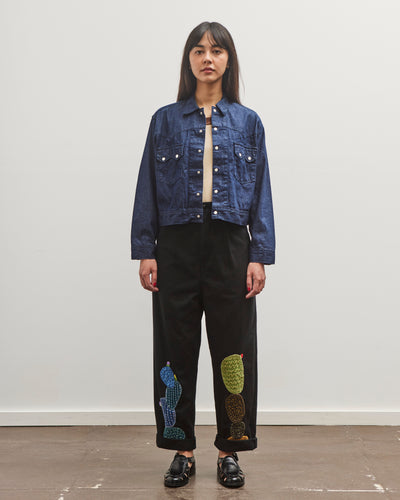
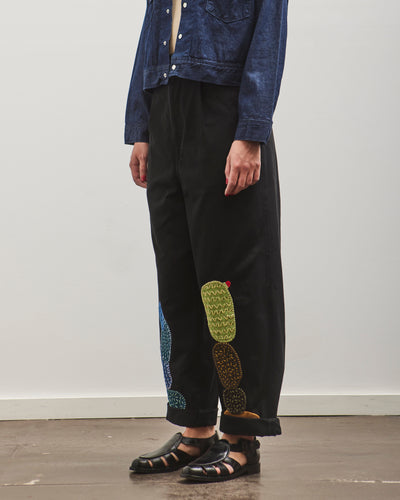
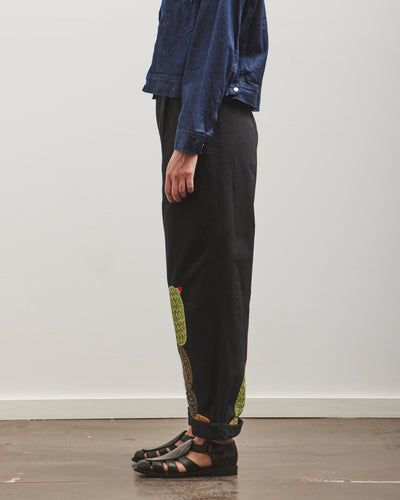
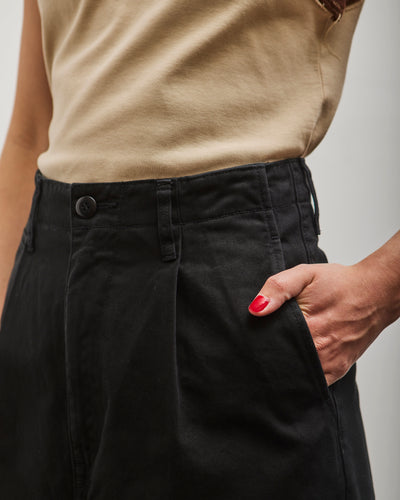
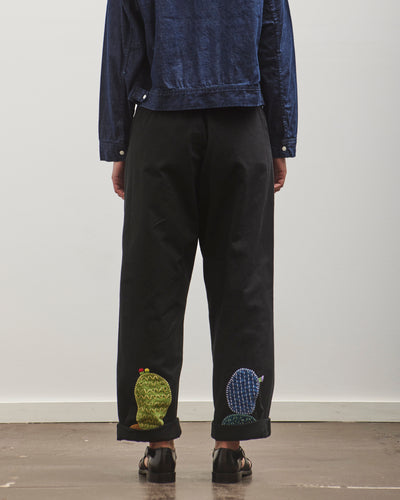
Kapital Chino High Waisted NIME Pants (CACTUS Embroidery), Black
$901
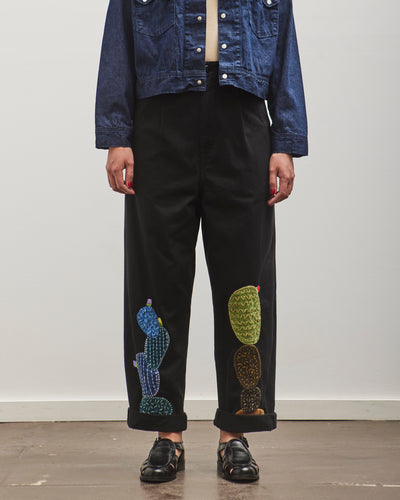
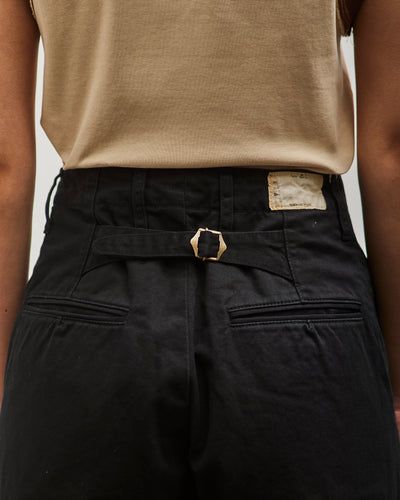
A unisex, high-waisted pant with relaxed fit that tapers towards the ankle. Cut from a soft mid weight cotton chino and features a colorful cactus embroidery on the front and back legs. This style features two small front pleats, five pockets including a small coin front pocket, and a tack and back cinch that's slightly adjustable. fit Alexia is 5'6" and typically wears a size 25 in bottoms. She's wearing the size 1 here for a relaxed fit. Style is running true to size. details Made in Japan100% CottonMachine Wash Cold
Go to product page >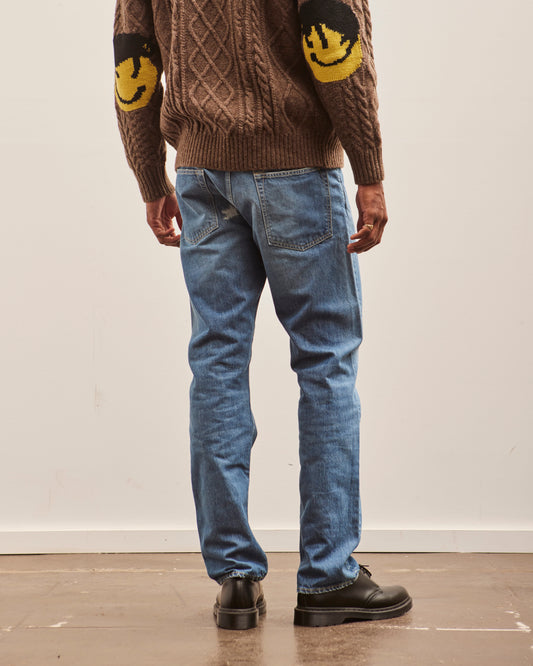


Kapital 14oz 5P Monkey Cisco Denim, 1.2 Year Fade
$491
A slim fitting jean with a slightly higher rise. This pant style has more room in the thighs and tapers from the knee down towards the hem. Features include traditional five pocket detailing, rivet hardware and metal tack button with a button fly closure. Kapital branded leather patch with its "out of the box" tag below. This pair has been distressed by hands of a KOUNTRY craftsman. Featuring patched and repaired panels with mended details like sashiko stitching. View all Kapital Monkey Jeans. fit Chris is 6'5" and typically wears a size 34 in jeans. He's wearing the size 36 here for a fitted look. Jeans are running small. We recommend sizing up one size in this style. Minimal shrinkage is expected. details Made in Japan100% CottonHand wash as neededIndigo dye may bleed or transfer
Go to product page >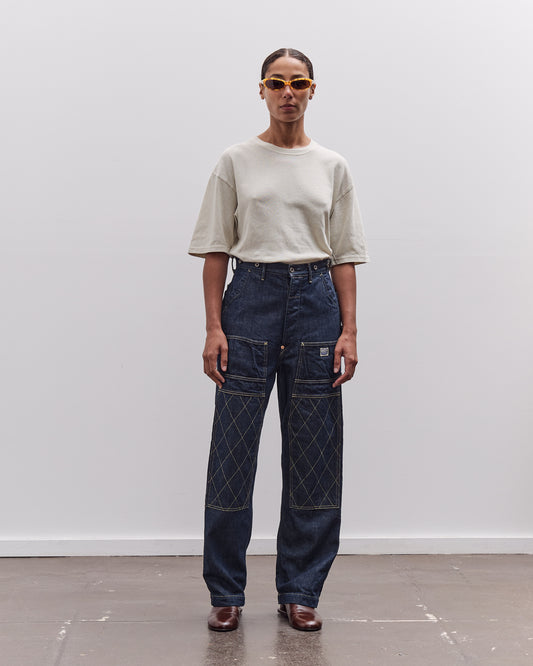


Kapital Unisex 11.5oz Denim Lumber Pant, Indigo
$406
Inspired by utility work pants and overalls, the iconic Lumbar Pants from Kapital have a relaxed, straight fit through the leg and feature quilted double knee patches and pockets with contrast stitching both for durability and an interesting design detail. Finished with optional suspender buttons at waist band, side carpenter, front, and back pockets. Unisex. See all available colors in the Lumber Pant. Kass is 5'9" and typically wears a size 27 in bottoms. She's wearing the size 1 here for a relaxed fit. approximate fit Size 0: 26-28"Size 1: 28-30"Size 2: 30-32"Size 3: 32-34"Size 4: 34-36" DETAILS Made in Japan100% Cotton11.5oz DenimMachine Wash Cold
Go to product page >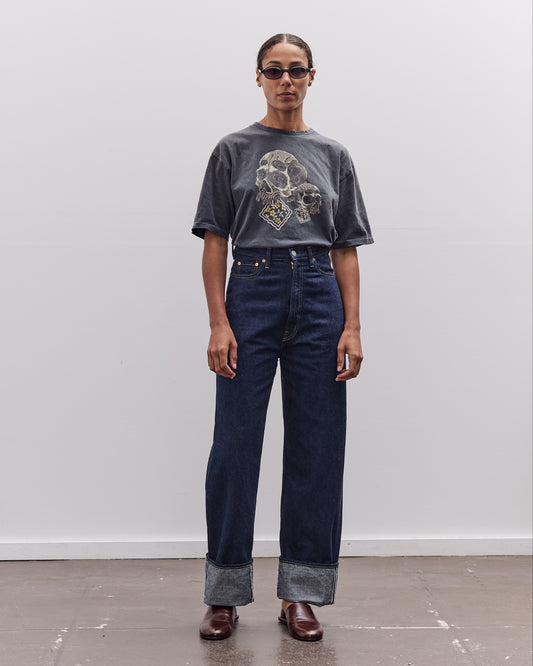


Kapital 12oz Denim 5P New Momonroe Jeans, IDG
$380
A high-rise, 5-pocket denim pant from Kapital, rendered in 12oz selvedge indigo denim that develops character over time. Features a rounded waist and deep rise for a flattering elevated fit, paired with a straight leg that offers subtle structure with ease. The indigo-dyed denim is accented by a natural leather brand patch, contrast stitching, and classic metal hardware, combining heritage denim craftsmanship with a contemporary silhouette. Finished with a zipper fly and tonal details that keep the look clean and versatile for everyday wear. fit Kass is 5'9" and typically wears a size 27 in bottoms. She's wearing the size 28 here for a regular fit.. This design sits high on the waist with a deep rise and a straight, slightly relaxed leg — offering a balanced silhouette that respects the original “Momonroe” DNA while giving a structured yet wearable shape. details Made in Japan100% Cotton (12oz selvedge denim)Indigo dyed5-pocket constructionZipper flyNatural leather brand patchContrast stitching
Go to product page >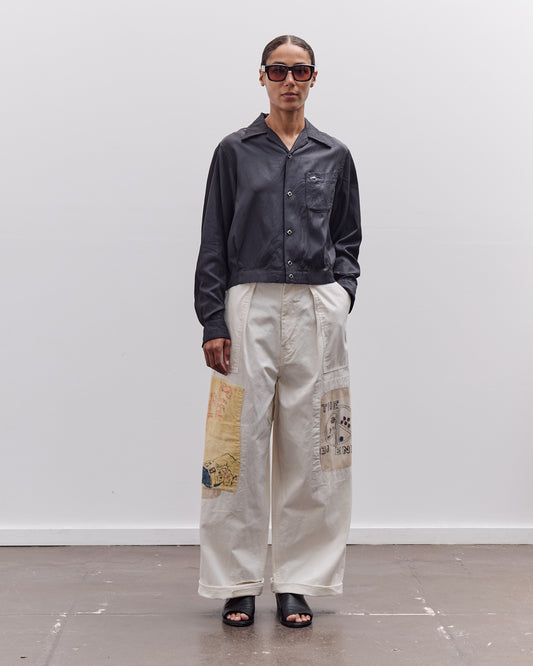


Kapital Rough-Face Twill FATIGUE Baggy Pants (RUSHWEEK Remake), Ecru
$764
A baggy, long rise trouser with a wide straight-leg silhouette with classic fatigue detailing. Cut from a ecru twill with a vintage lived-in feel, designed for everyday comfort. Featuring reworked patchwork corduroy with hand drawn sketches. Detailed with a button closure, pleated front, side slash pockets and large back patch pockets. Features side button tabs for waist sizing flexibility. fit Kass is 5'9" and typically wears a size 27 in bottoms. She's wearing the size 2 here for a relaxed fit. details Made in Japan100% CottonMachine Wash Cold
Go to product page >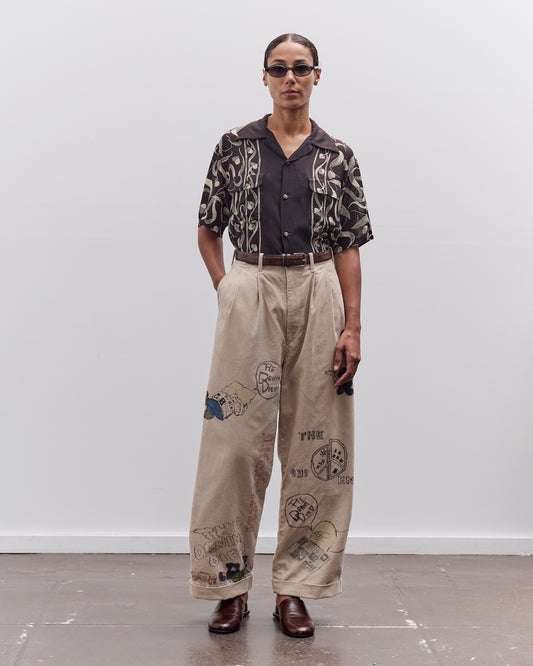


Kapital Silk Rayon Okura Short Sleeve Camp Collar Shirt, I-B
$540
A short-sleeve camp collar shirt designed with a boxy, relaxed fit. The fabrication is a lightweight cupro-silk blend that features a fluid drape and a distinctive Okura floral print. Finished with wood buttons and a clean, flat hem. fit Kass is 5'9" and typically wears a size Small in shirts. She's wearing the size 2 here for a relaxed fit. details Made in Japan96% Cupro, 4% SilkHand Wash Cold
Go to product page >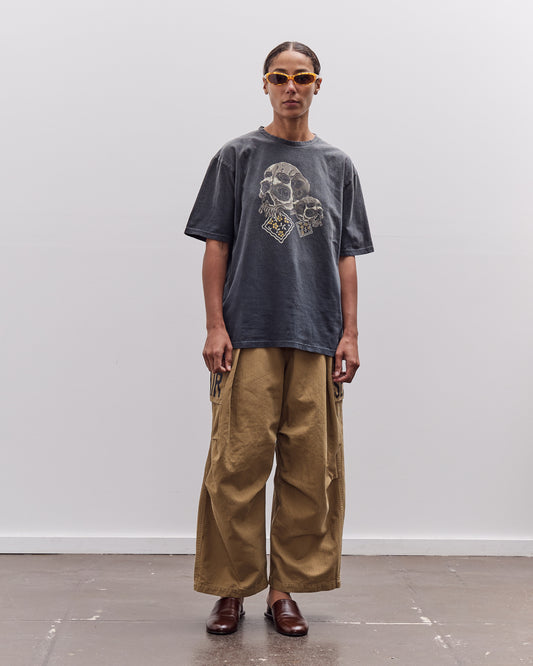


Kapital Jersey Crew T Rain Skull, Black
$252
A classic Kapital crew tee made from soft midweight jersey with the brand’s unmistakable graphic language. Featuring the Peckish Rain Skull artwork across the front, a playful and slightly surreal illustration that merges Kapital’s skull iconography with hand drawn rain motifs. The knit has a smooth, lived in feel and an easy drape, making it an everyday layer with character. Finished with a rounded neckline and a clean straight hem. fit Kass is 5'9" and typically wears a Small in tops. He's wearing the size Medium here for a relaxed fit. This style has a relaxed fit with natural stretch and is designed to be worn true to size for an easy everyday shape. details Made in Japan100% CottonHand wash cold
Go to product page >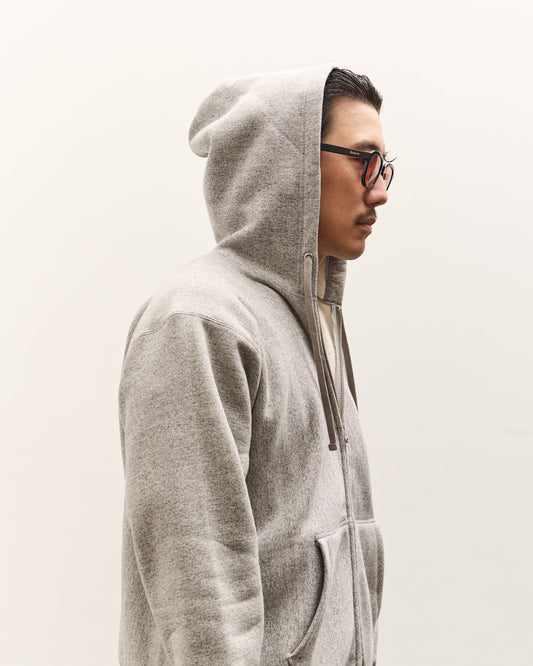


Yoko Sakamoto Athletic Hoodie, Heather Gray
$428
A classic athletic hoodie reimagined through Yoko Sakamoto’s refined, minimalist approach. Crafted from heavyweight loopwheel cotton jersey knitted in Wakayama, Japan, using traditional Tsuriami machines that produce a dense yet airy fabric with exceptional softness and resilience. Designed with dropped shoulders, a wide body, and a relaxed drape that moves easily with the wearer. Detailed with a two-way front zip, ribbed cuffs and hem, and a roomy hood. Each piece will soften and mold to the body with time, developing a lived-in character unique to its owner. fit Ellery is 6'0" and typically wears a size Medium or Large in tops. He's wearing the Medium here for a relaxed fit. measurements S: length 25.2 in, shoulder 19.3 in, chest 23.6 in, sleeve 23 in, cuff 6.3 inM: length 26 in, shoulder 20.1 in, chest 24.4 in, sleeve 23.4 in, cuff 6.7 inL: length 26.8 in, shoulder 20.9 in, chest 25.2 in, sleeve 23.8 in, cuff 7.1 in details Made in Japan100% CottonHand wash cold separately, line dry
Go to product page >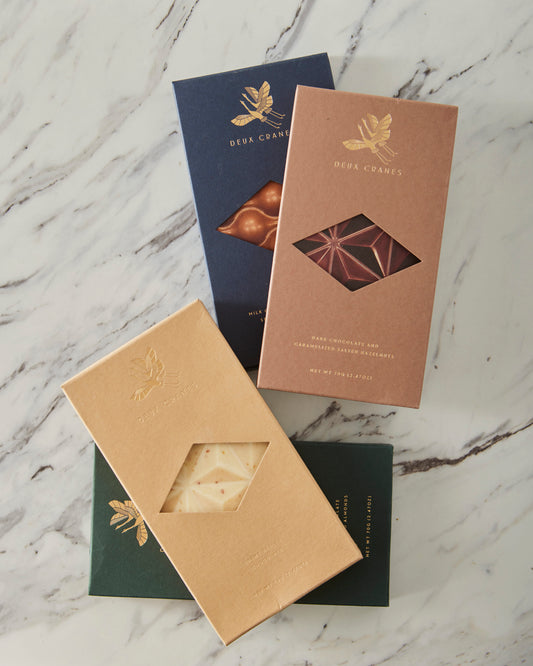


Deux Cranes Dark Chocolate with Miso Almonds (Dairy Free)
$15
A chocolate bar flavor featuring roasted and toasted almonds. The nuts are roasted with miso emphasizing the naturally nutty flavor of the 70% dark chocolate. A strong dark chocolate flavor! Produced and packaged in the same facility as soy, peanuts, tree nuts, wheat, sesame, and milk products. May contain traces of soy, nuts, milk, and gluten. details Made in US70g
Go to product page >Invalid password
Enter