


Plant Collection
Plants are available for in-store pickup or local Seattle delivery only. We are not shipping plants at this time. Plants pictured are an example specimen. No two plants are exactly alike. Please be mindful of this when ordering.
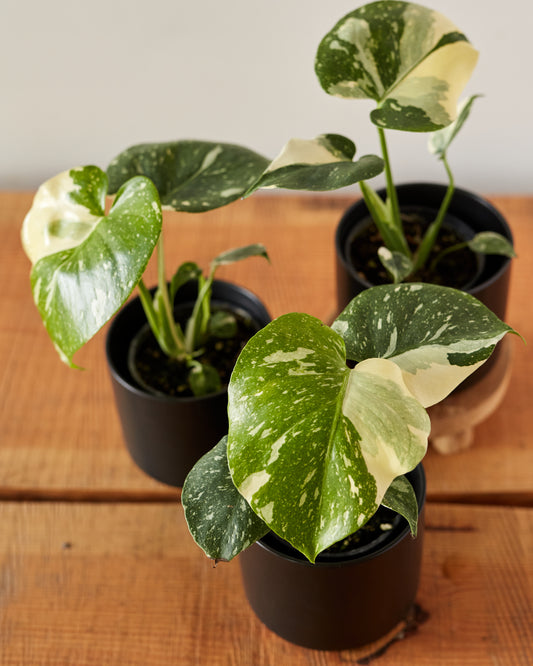


Monstera deliciosa 'Thai Constellation'
$15 to $230
Monstera deliciosa, also known as the “Swiss Cheese Plant” due the unique development of ridges and holes on its more mature leaves, is a species of flowering plant native to the southern Mexico and Panama. The variegated Monstera has similar care to that of solid green monstera deliciosa. The main difference is the white portion of the variegated monstera leaves cannot absorb light, so it needs to work twice as hard to photosynthesize. Therefore low light conditions are not ideal, keep your variegated monstera in bright ambient light and it will be very happy. Choose a location away from air vents and drafts where the monstera can avoid dry air. Monsteras appreciate a warm, humid environment; a good amount of water and gentle sunlight. If you’re unsure about your lighting conditions, placing the plant 5-10 feet from a well-lit window is the safest bet. Water your plant when you first receive it, but it is important not to give too much or too little water. 1 liter is a good place to start. Monsteras prefer soil that is consistently, if slightly, moist. As epiphytes with aerial roots, they are sensitive to overwatering. Typically, you shouldn’t have to water your monstera more than once a week. If the top 2 inches of the soil is dry, your plant could use a drink. For general upkeep, dust the leaves often so the plant can photosynthesize properly. Using fertilizer spring through fall will enhance your plants foliage and promote new growth. DETAILS All pants come in their plastic grower's potDecorative Pots Sold SeparatelyPlants are available in-store pickup or local delivery onlyDelivery surcharge may be applied for oversized plants
Go to product page >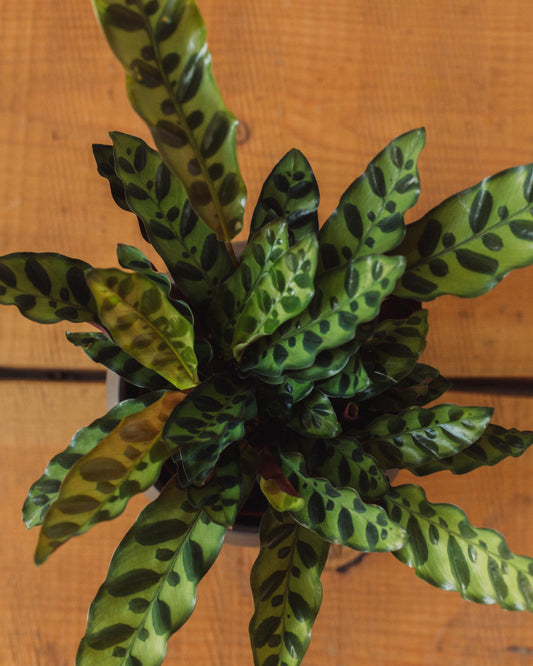


Calathea lancifolia, "Rattlesnake"
$16 to $65
Native to Africa and South America, these plants require a little extra attention to keep happy, but their foliage is worth it with such beautiful graphic patterns and colored leaved. The Rattlesnake variety has long, wavy leaves with dots and stripes. LIGHT: Bright, indirect light. Direct sun will burn the leaves and cause the color to fade. An east, west, or north window is ideal. WATER: Very sensitive to regular tap water. Distilled, filtered, or rain water preferred. Aim to keep the soil moist at all times, but never soggy. Never let a Calathea plant sit in water. HUMIDITY: Humidity is key with these plants. They would be happy in a bathroom with bright, indirect light or sitting on a tray of pebbles with water below the rocks. Aim to keep humidity level at 60% or higher in order to avoid brown leaf edges. TEMPERATURE: 60-80 degrees Fahrenheit. Calathea plants do not like cold drafts. FERTILIZER: 1x/month during the active growing season. TOXICITY: Calatheas are non-poisonous houseplants. DETAILS All pants come in their plastic grower's potDecorative Pots Sold SeparatelyPlants are available in-store pickup or local delivery onlyDelivery surcharge may be applied for oversized plants
Go to product page >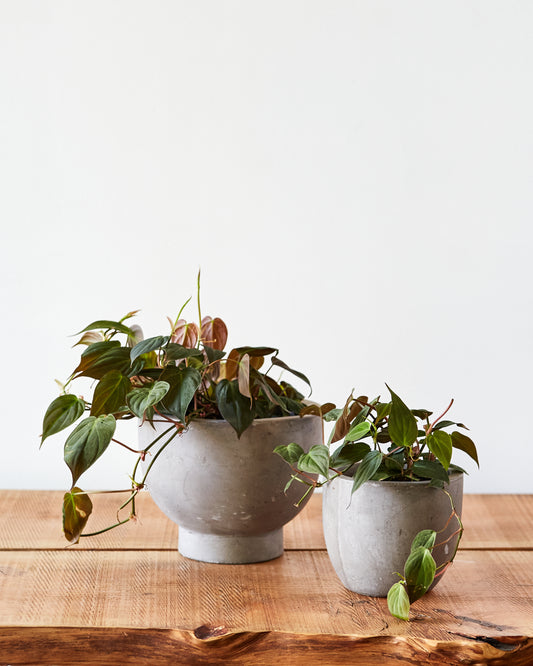


Philodendron micans, "Velvet Leaf Philodendron"
$14 to $68
Originally found in the Caribbean, the micans is loved for its velvety sheen and colorfully varied foliage. In their natural habitat, micans will grow against a host tree and root into the bark. Allow your micans to trail for a long and delicate effect, or encourage climbing with a trellis or moss pole for more dense foliage. LIGHT: Medium to bright, indirect light or some direct morning sun. Micans can survive in lower light, but the plant may become leggy. Avoid afternoon direct sun as it may burn the leaves. WATER: Water thoroughly so that water drains out the bottom of the pot, then allow the top 30% of soil to dry before watering again. Make sure the potting medium is fast-draining to prevent root rot. Do not overwater. Signs of overwatering might include water droplets or yellowing edges on the leaves. Signs of under-watering include brown leaf edges. Adding humidity to the environment is beneficial to increase leaf growth. TEMPERATURE: 60-80 degrees F. It generally does not do well in temperatures below 50 degrees. FERTILIZER: 1x/month during it's active growing season (spring through fall) ORIGIN: Native to jungles of the Caribbean NOTES: These plants are toxic and should be kept away from pets and children. DETAILS All pants come in their plastic grower's potDecorative Pots Sold SeparatelyPlants are available in-store pickup or local delivery onlyDelivery surcharge may be applied for oversized plants
Go to product page >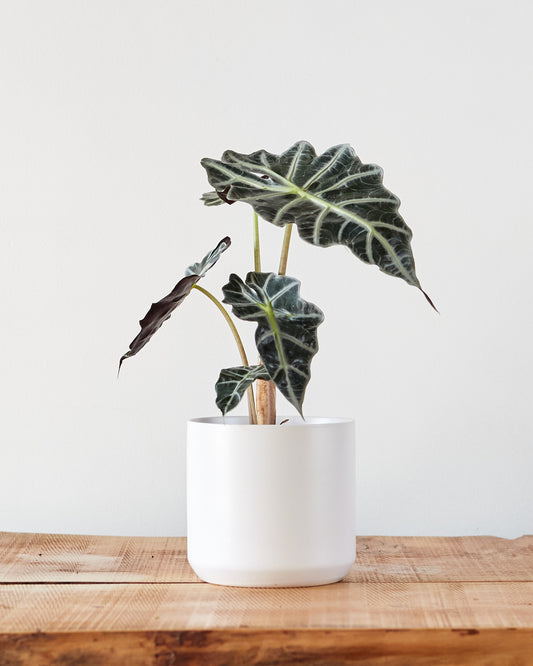


Alocasia amazonica 'Polly'
$16 to $25
The Alocasia or Elephant Ear Plant is one of the most stunning plants available. The Polly variety grows smaller to a max height of 2'. LIGHT These plants prefer bright, indirect light or direct morning sun. Avoid strong afternoon sun as it may burn the leaves. WATER Water thoroughly, then allow the top 25% of soil to dry out before watering again. Overwatering makes Alocasias susceptible to fungal infections. Alocasias require less water in the winter when they are going through their dormant period. Using filtered or distilled water is recommended. These plants like high humidity, but prefer not to have their leaves wet. Place the plant on a tray of pebbles with water just below the rocks, or use a room humidifier. TEMPERATURE An ideal range is 60-80 degrees. Keep plant away from cold drafts, air conditioners, heaters, and fireplaces. FERTILIZER Fertilize during their active growing season when they are producing new leaves (spring-fall). ORIGIN Native to Asia NOTES These plants are toxic and should be kept away from pets and children. Remove flowers when the plant blooms to encourage new growth. DETAILS All pants come in their plastic grower's potDecorative Pots Sold SeparatelyPlants are available in-store pickup or local delivery onlyDelivery surcharge may be applied for oversized plants
Go to product page >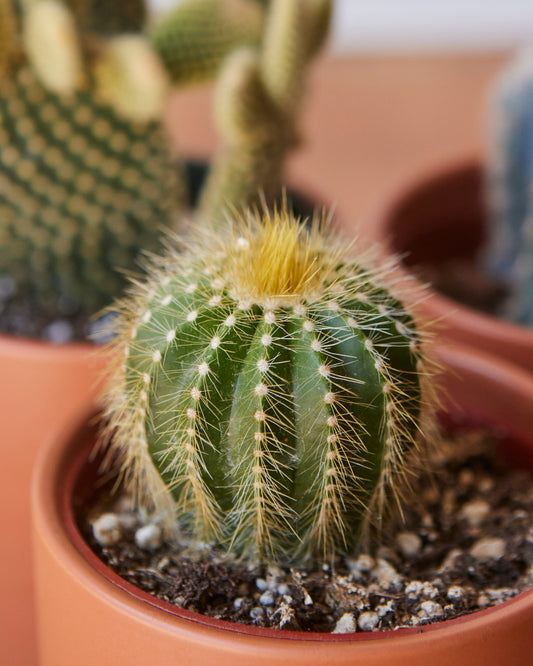


Assorted Cactus
$12 to $78
Cacti are diverse members of the Cactaceae family, and are hardy desert plants. Evolving to thrive in arid environments, these succulents feature fleshy stems, spines, and unique shapes. Their low-maintenance nature and striking appearances have made them popular choices for indoor and outdoor decoration, embodying resilience and adaptability. Please note that not every cactus is the same, and availability is subject to what we have in-store. LIGHT These plants prefer bright light or direct sun. WATER Keep dry for as long as possible. In the summer months, water about once per month and do not water between December and early February. TEMPERATURE Cacti can tolerate dramatic changes in temperature between day and night. Keep above 40 degrees at night. FERTILIZER Cacti generally do not need fertiliser indoors. NOTES These plants are toxic and should be kept away from pets and children. They may flower occasionally in the summer months. DETAILS All pants come in their plastic grower's potDecorative Pots Sold SeparatelyPlants are available in-store pickup or local delivery onlyDelivery surcharge may be applied for oversized plants
Go to product page >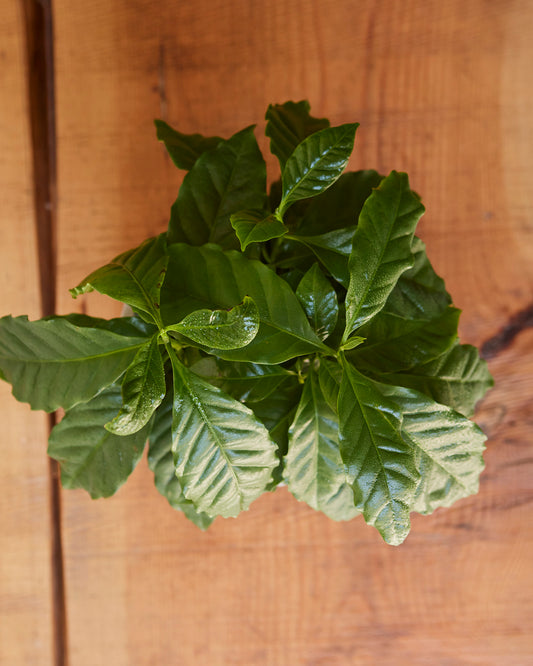


Coffea arabica, "Coffee Plant"
$10 to $200
LIGHT Bright, indirect light or direct morning sun is best. WATER Keep lightly moist (not soggy) at all times. Avoid getting water in the crown, otherwise the plant may rot or develop fungal diseases. High humidity is a must. Entire leaves may turn yellow or leaf tips may turn brown if humidity is too low. FERTILIZER Once per month during the active growing season, give a well-balanced plant food. TEMPERATURE 65-85 degrees is ideal. Leaves may be damaged if in direct contact with heating or cooling sources. DETAILS All pants come in their plastic grower's potDecorative Pots Sold SeparatelyPlants are available in-store pickup or local delivery onlyDelivery surcharge may be applied for oversized plants
Go to product page >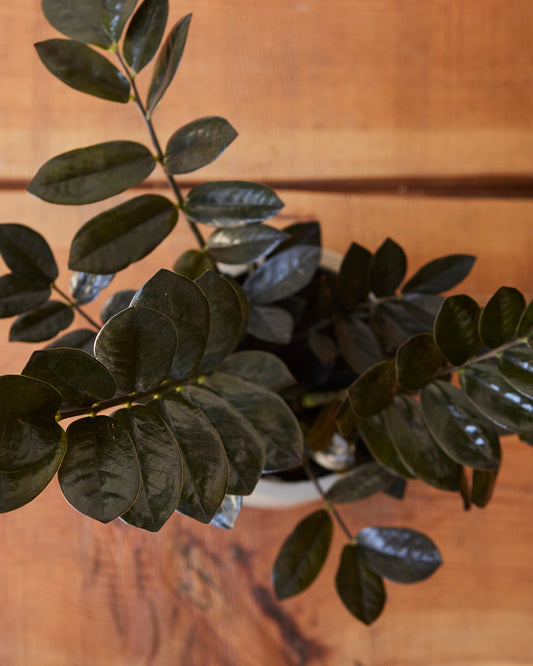


Zamioculcas 'Raven', ZZ Plant
$28 to $148
Zamioculcus Zamiifolia aka "ZZ Plant" is a succulent native to South Africa and thrives on neglect. They have glossy black foliage that forms a zig-zag pattern with an upright growth habit. It is one of the easiest plants to grow. LIGHT: These plants can take a range of light from extremely low light to bright indirect light or direct morning sun. WATER: Water thoroughly, then allow the top 75% of soil to dry out before watering again. Yellow leaves usually indicate overwatering or severe underwatering. Keep the soil even drier in lower light. Soggy soil will cause the rhizomes to rot. TEMPERATURE: An ideal range is 60-80 degrees. FERTILIZER: Fertilize during their active growing season when they are producing new leaves (spring-fall). REPOTTING: Plants produce more leaves when rootbound. TOXICITY: Plant is toxic and should be kept away from children and pets. DETAILS All pants come in their plastic grower's potDecorative Pots Sold SeparatelyPlants are available in-store pickup or local delivery onlyDelivery surcharge may be applied for oversized plants
Go to product page >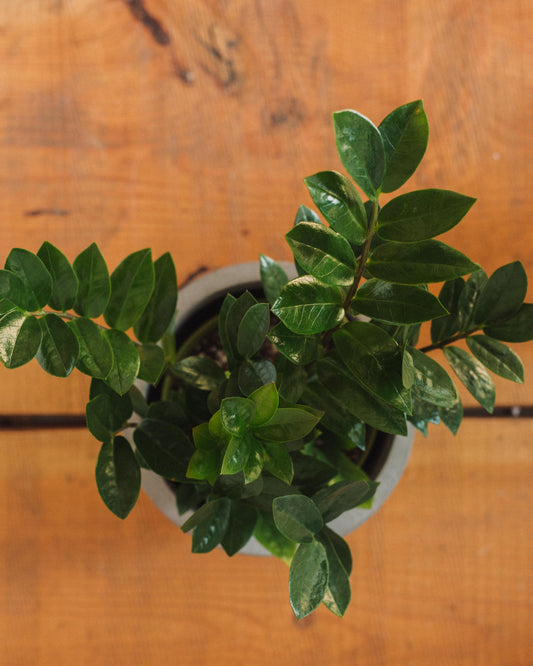
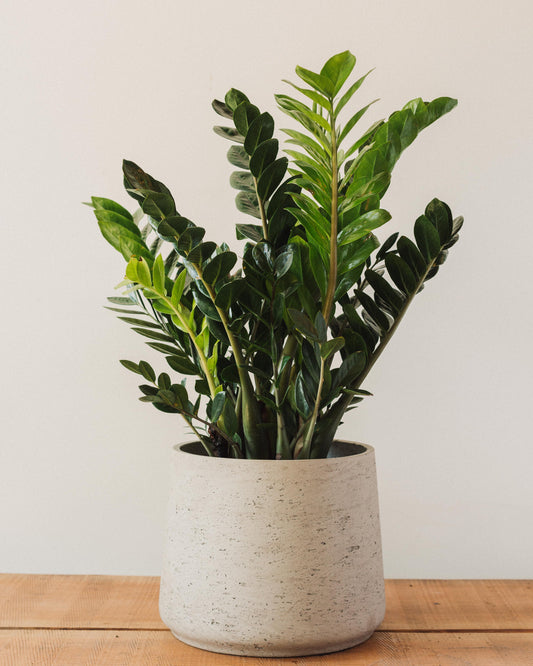
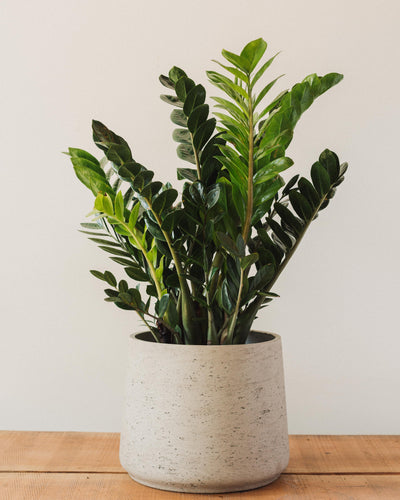
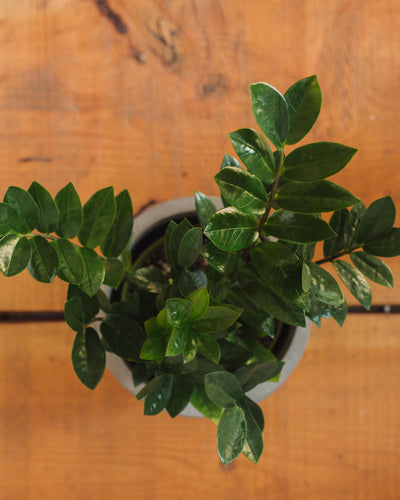
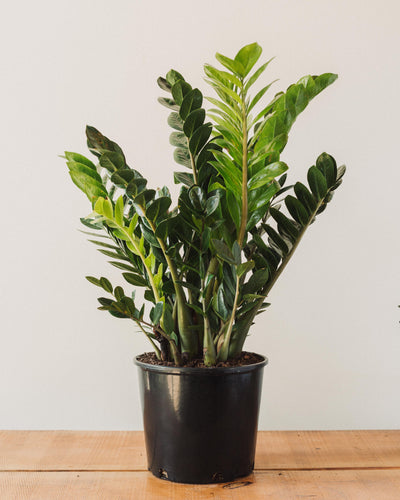
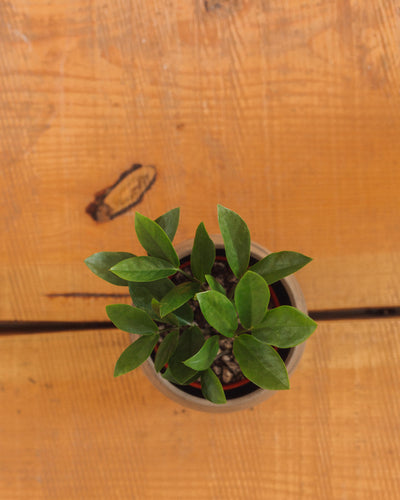
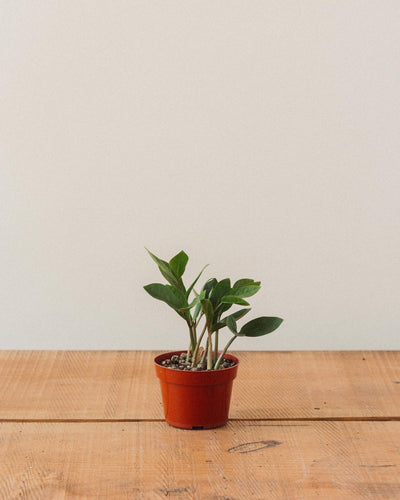
Zamioculcas Zamiifolia, "ZZ Plant"
$10 to $225
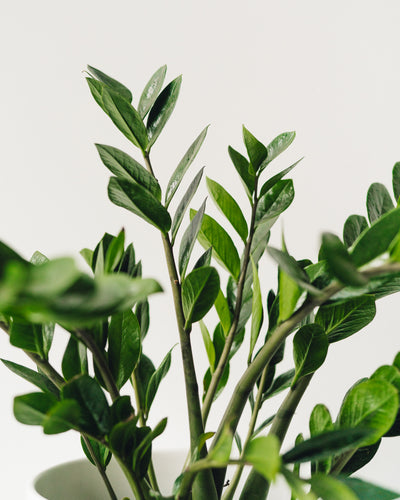
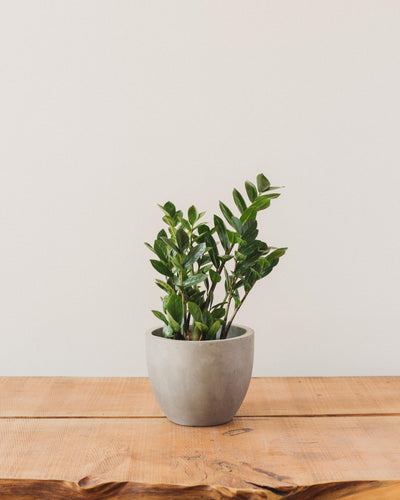
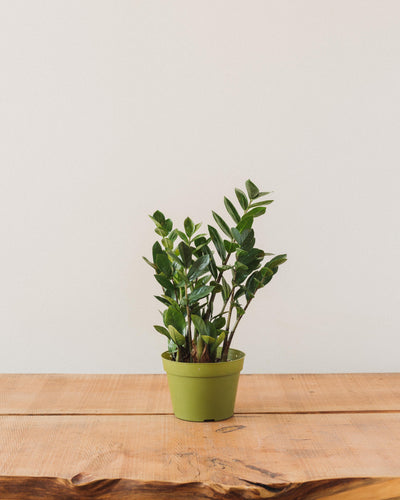
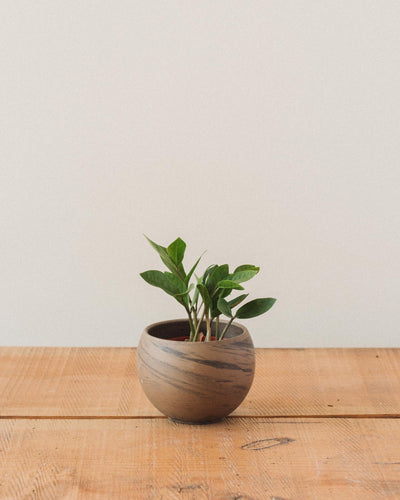
Zamioculcus Zamiifolia aka "ZZ Plant" is a succulent native to South Africa and thrives on neglect. They have glossy green foliage that forms a zig-zag pattern with an upright growth habit. It is one of the easiest plants to grow. LIGHT: These plants can take a range of light from extremely low light to bright indirect light or direct morning sun. WATER: Water thoroughly, then allow the top 75% of soil to dry out before watering again. Yellow leaves usually indicate overwatering or severe underwatering. Keep the soil even drier in lower light. Soggy soil will cause the rhizomes to rot. TEMPERATURE: An ideal range is 60-80 degrees. FERTILIZER: Fertilize during their active growing season when they are producing new leaves (spring-fall). REPOTTING: Plants produce more leaves when rootbound. TOXICITY: Plant is toxic and should be kept away from children and pets. DETAILS All pants come in their plastic grower's potDecorative Pots Sold SeparatelyPlants are available in-store pickup or local delivery onlyDelivery surcharge may be applied for oversized plants
Go to product page >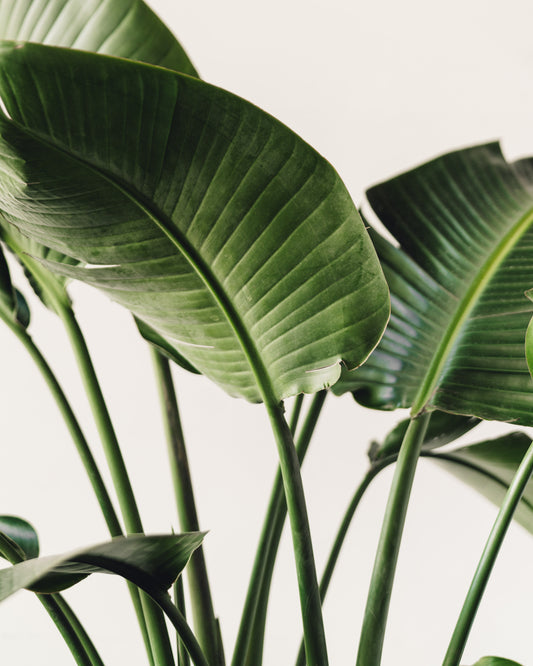


Strelitzia nicolai, ‘White Bird of Paradise’
$12 to $825
Often mistaken for a banana plant because of its large leaves, this lush and beautiful plant thrives indoors. It is native to South Africa where it often blooms, but will rarely produce a flower indoors. LIGHT: Full to part sun. Rotate the plant so the light is even on all sides. Some direct sun is beneficial. WATER: Allow top 30% of soil to dry between waterings, then thoroughly soak the plant. This plant needs less water in the fall and winter. Curling leaves could be a sign that the plant needs more water. High humidity preferred. FERTILIZER: Once per month during the active growing season. TEMPERATURE: 60-80 degrees NOTES: Plant leaves require dusting occasionally. DETAILS All plants come in their plastic grower's potDecorative Pots Sold SeparatelyPlants are available for in-store pickup or local delivery onlyDelivery surcharge may be applied for oversized plants
Go to product page >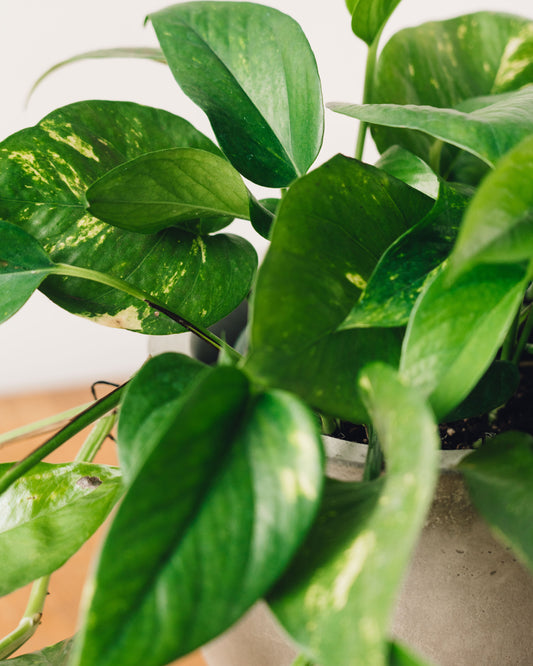


Epipremnum aureum, "Golden Pothos"
$4 to $285
A native jungle plant in Malaysia, this plant epitomizes a tropical garden. It propagates quickly from stem cuttings and can be trained to grow down shelves or around rooms. A perfect plant for the beginning gardener or anyone who wants to create a lush landscape indoors. LIGHT: Bright indirect light, but can adapt to lower light conditions if necessary. WATER: Allow soil to dry 30% down between waterings. Yellow leaves with black tips generally indicate overwatering, while bright yellow, droopy, or brown, crispy leaves indicate under-watering. FERTILIZER: Once per month during the active growing season. TEMPERATURE: 60-80F degrees is ideal. REPOTTING: Plants like to be root bound. Do not repot until the roots fill the container. NOTES: Plants are toxic and should be kept away from pets and children. This plant is on NASA's clean air list and removes formaldehyde from the air. DETAILS All pants come in their plastic grower's potDecorative Pots Sold SeparatelyPlants are available in-store pickup or local delivery onlyDelivery surcharge may be applied for oversized plants
Go to product page >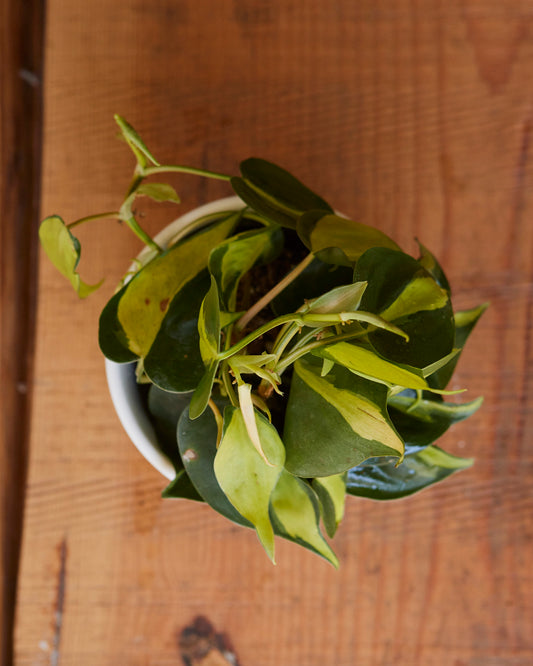


Philodendron hederaceum, 'Brasil' Cordatum
$14 to $50
Philodendron cordatums are some of the easiest trailing species for indoors and are easily propagated from stem cuttings. These heart-leaf Philodendrons are great air purifying plants and remove formaldehyde from the air. LIGHT: These plants can survive in very low light conditions but bright, indirect light is ideal. Can handle some direct sun if it's in the morning light. Avoid direct afternoon sun. WATER: Water thoroughly, then allow the top 25% of soil to dry out before watering again. Yellow leaves usually indicate overwatering while droopy or brown, crispy leaves usually mean the plant needs more water. Increased humidity will encourage new and larger leaf growth. TEMPERATURE: The ideal temperature range is 60-80 degrees Fahrenheit. FERTILIZER: 1x/mo during the active growing season TOXICITY: Plant is toxic and should be kept away from pets and children. DETAILS Plants are available in-store pickup or local delivery only
Go to product page >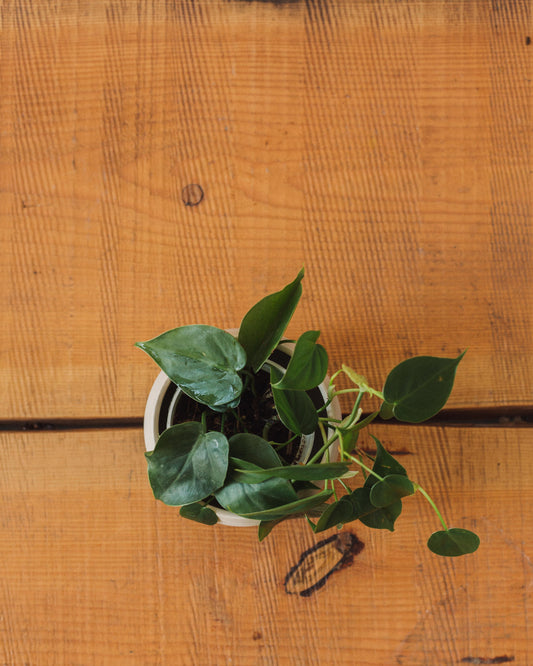


Philodendron hederaceum, "Heart Leaf Philodendron Cordatum"
$5 to $48
Philodendron cordatums are some of the easiest trailing species for indoors and are easily propagated from stem cuttings. These heart-leaf Philodendrons are great air purifying plants and remove formaldehyde from the air. LIGHT: These plants can survive in very low light conditions but bright, indirect light is ideal. Can handle some direct sun if it's in the morning light. Avoid direct afternoon sun. WATER: Water thoroughly, then allow the top 25% of soil to dry out before watering again. Yellow leaves usually indicate overwatering while droopy or brown, crispy leaves usually mean the plant needs more water. Increased humidity will encourage new and larger leaf growth. TEMPERATURE: The ideal temperature range is 60-80 degrees Fahrenheit. FERTILIZER: 1x/mo during the active growing season TOXICITY: Plant is toxic and should be kept away from pets and children. DETAILS All pants come in their plastic grower's potDecorative Pots Sold SeparatelyPlants are available in-store pickup or local delivery onlyDelivery surcharge may be applied for oversized plants
Go to product page >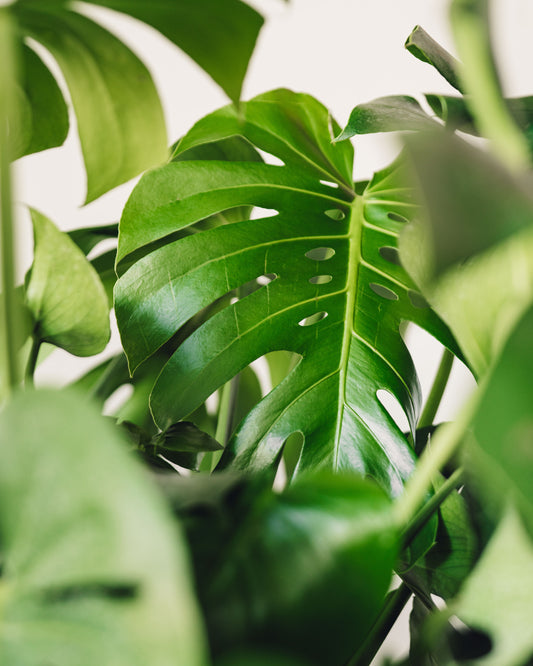


Monstera deliciosa, "Split Leaf Philodendron"
$6 to $220
The Monstera deliciosa or Split Leaf Philodendron as it is sometimes called, is actually not a true Philodendron. It has heart-shaped leaves that split as they mature forming interesting leaf patterns. LIGHT: Medium to bright, indirect light or some direct morning sun. Monsteras can survive in lower light, but the leaves won't split and the plant may become leggy. Avoid afternoon direct sun as it may burn the leaves. WATER: Water thoroughly so that water drains out the bottom of the pot, then allow the top 30% of soil to dry before watering again. Make sure the potting medium is fast-draining to prevent root rot. Do not overwater. Signs of overwatering might include water droplets or yellowing edges on the leaves. Signs of under-watering include brown leaf edges. Adding humidity to the environment is beneficial to increase leaf growth. TEMPERATURE: 60-80 degrees F. It generally does not do well in temperatures below 50 degrees. FERTILIZER: 1x/month during it's active growing season (spring through fall) ORIGIN: Native to jungles of Mexico, Panama, India NOTES: These plants are toxic and should be kept away from pets and children. DETAILS All pants come in their plastic grower's potDecorative Pots Sold SeparatelyPlants are available in-store pickup or local delivery onlyDelivery surcharge may be applied for oversized plants
Go to product page >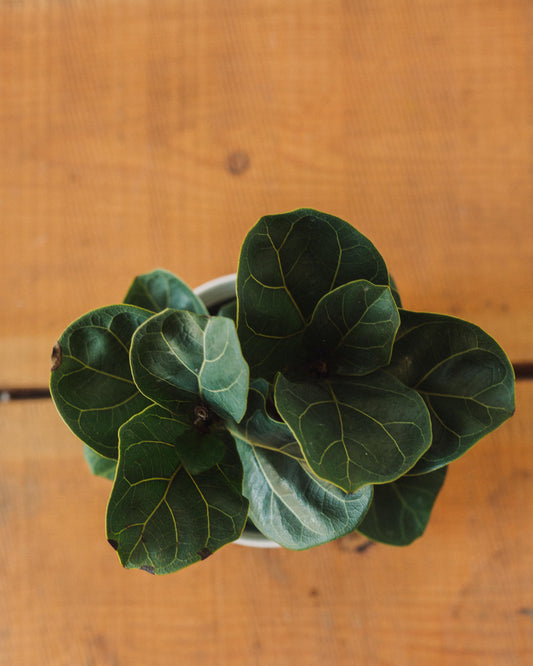


Ficus lyrata, "Fiddle Leaf Fig"
$15 to $325
One of the most sculptural plants with its large and elegant leaves. Available in a variety of shapes and sizes. Turn a Fiddle Leaf frequently to keep it growing straight. We have a variety of different Ficus Lyratas from "little fiddles" with tinier leaves to wide broad leaf bush shaped specimens. If you have a requested shape, please make a note on your order and we will do our best to accommodate. LIGHT: Bright indirect light. Insufficient light causes small leaves and leaf drop. Too much sun causes the leaves of a Fiddle Leaf Fig to fade and lose their dark green color. WATER: Allow the top 30% of topsoil to dry out and the leaves to become soft and flexible before watering. POTTING: All-purpose organic potting soil and a well draining pot situation is ideal. Like all Ficus Trees, this variety likes being root-bound in small pots. TEMPERATURE: 60-80° Keep away from air conditioners, drafts, and heating vents. Intense cold or heat causes leaf drop. TOXICITY: Plant is toxic and should be kept away from pets and children. NOTES: Spray leaves every other week with warm soapy water or a mixture of neem oil to ward off plant pests. Spraying the leaves also keeps them dust free and clean so they can absorb more light. DETAILS All pants come in their plastic grower's potDecorative Pots Sold SeparatelyPlants are available in-store pickup or local delivery onlyDelivery surcharge may be applied for oversized plants
Go to product page >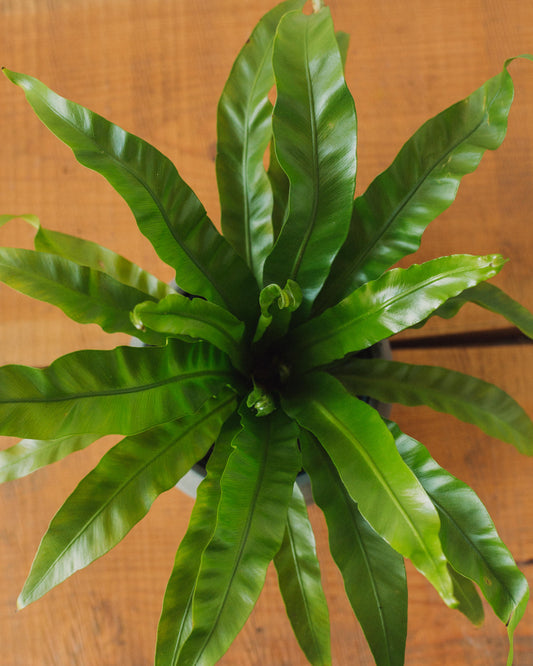


Asplenium nidus, "Birds Nest Fern"
$7 to $295
The leaves of a Birds Nest Fern emerge from a central crown and resemble small birds eggs, thus giving it its name. This plant is native to rainforests in Asia, Africa, and Australia and loves a humid environment. Common varieties include nidus, antiquum, etc. LIGHT Bright, indirect light or direct morning sun is best. WATER Keep lightly moist (not soggy) at all times. Avoid getting water in the crown, otherwise the plant may rot or develop fungal diseases. High humidity is a must. Entire leaves may turn yellow or leaf tips may turn brown if humidity is too low. FERTILIZER Once per month during the active growing season, give a well-balanced plant food. TEMPERATURE 65-85 degrees is ideal. Leaves may be damaged if in direct contact with heating or cooling sources. DETAILS All pants come in their plastic grower's potDecorative Pots Sold SeparatelyPlants are available in-store pickup or local delivery onlyDelivery surcharge may be applied for oversized plants
Go to product page >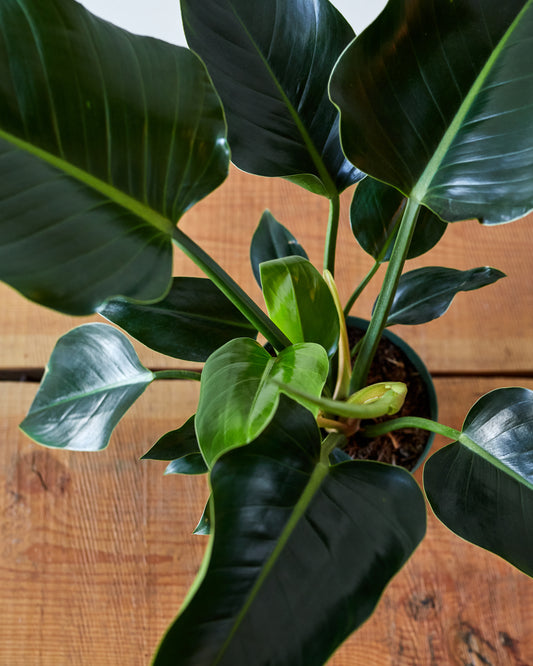


Philodendron tatei, "Congo Green"
$14 to $150
Unlike most vining philodendrons, the congo will grow upward and out from the center with deep green ovate leaves and a sprawling habit. Rotate your congo regularly to keep an evenly growing shape. LIGHT: Bright indirect light. Low light will make the plant leggy and reaching. WATER: Water thoroughly so that water drains out the bottom of the pot, then allow the top 40% of soil to dry before watering again. Make sure the potting medium is fast-draining to prevent root rot. Do not overwater. Signs of overwatering might include water droplets or yellowing edges on the leaves. Signs of under-watering include brown leaf edges. Adding humidity to the environment is beneficial to increase leaf growth. TEMPERATURE: Between 70-85 degrees. Keep these plants away from cold drafts and air conditioners and keep above 50 degrees. Higher humidity is a plus, but Philodendrons do well in basic household humidity. FERTILIZER: 1x/month during it's active growing season (spring through fall) ORIGIN: South America NOTES: These plants are toxic and should be kept away from pets and children. DETAILS All pants come in their plastic grower's potDecorative Pots Sold SeparatelyPlants are available in-store pickup or local delivery onlyDelivery surcharge may be applied for oversized plants
Go to product page >


Dracaena trifasciata Zeylanica, "Snake Plant"
$16 to $218
Originally native to South Africa, the Snake Plant (formerly classified as Sansevieria) is one of the hardiest indoor plants available. It thrives on neglect and can also take a range of light, which makes it a good option for many homes and offices. This plant was also listed as one of NASA's top 10 best air purifying plants. They can remove benzene, formaldehyde, and other chemicals from the air. Some common varieties include Zeylanica, Black Coral, Robusta LIGHT: This plant can take a broad range of light from full sun to low light. However, the more sun the plant receives, the quicker the leaves will grow. WATER: Water a snake plant sparingly. It is better to underwater than to over water. Make sure to use a well-draining soil medium and ensure soil is dry at least 75% down between waterings. In the winter, when the plant goes through dormancy and receives less light, water the plant only 1-2x/month. TEMPERATURE: The ideal temperature range is 60-80 degrees Fahrenheit. FERTILIZE: Only use fertilizer during the active growing season (April-October) with 1/2 strength cactus food. Do not use fertilizers containing nitrates. TOXICITY: This plant is toxic. DETAILS All pants come in their plastic grower's potDecorative Pots Sold SeparatelyPlants are available in-store pickup or local delivery onlyDelivery surcharge may be applied for oversized plants
Go to product page >


Platycerium bifurcatum, "Staghorn Fern"
$12 to $88
Named after its deer-like antlers, the Staghorn fern is one of the easiest ferns to grow. Plants have two types of fronds: basal and fertile. The basal fronds are sterile and anchor the plant against trees. They also protect the plants roots. The fertile fronds bear spores for reproduction. Because these plants often grow naturally on trees or rocks, they make great options for mounted plant projects. LIGHT: Bright filtered light or direct morning sun. WATER: Water when top 20% of soil is dry. Keep soil drier in winter. Green fronds droop from under-watering and drop from over-watering. Plants like humidity, but avoid water sitting on leaves as it may cause powdery mildew. TEMPERATURE: Ideal range is 60-80 degrees. SOIL: Plants should be potted in a light weight medium containing some orchid bark and/or peat moss. TOXIC: Non-toxic DETAILS All pants come in their plastic grower's potDecorative Pots Sold SeparatelyPlants are available in-store pickup or local delivery onlyDelivery surcharge may be applied for oversized plants
Go to product page >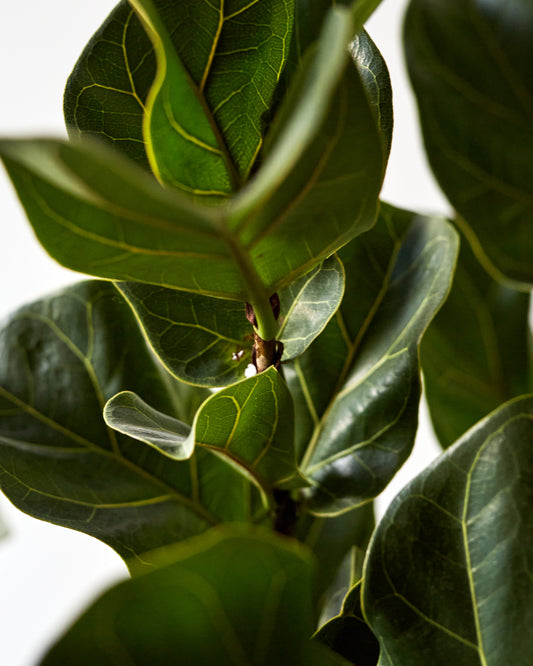


Ficus lyrata 'Little Fiddle' Tree, Fiddle Leaf Fig
$32 to $150
The 'Little Fiddle' lyrata is a smaller leaf variety of the Ficus lyrata that grow up to 10'+ indoors. Ficus lyratas are usually available in either a bush form with leaves along the entire stalk of the plant or a tree form with leaves just at the top of the main stalk. If you have a requested shape, please make a note on your order and we will do our best to accommodate. LIGHT: Bright indirect light. Insufficient light causes small leaves and leaf drop. Too much sun causes the leaves of a Fiddle Leaf Fig to fade and lose their dark green color. WATER: Allow the top 30% of topsoil to dry out and the leaves to become soft and flexible before watering. POTTING: All-purpose organic potting soil and a well draining pot situation is ideal. Like all Ficus Trees, this variety likes being root-bound in small pots. TEMPERATURE:60-80° Keep away from air conditioners, drafts, and heating vents. Intense cold or heat causes leaf drop. FERTILIZE 1x/month during it's active growing season (spring-fall). ORIGIN West Africa TOXICITY: Plant is toxic and should be kept away from pets and children. NOTES: Spray leaves every other week with warm soapy water or a mixture of neem oil to ward off plant pests. Spraying the leaves also keeps them dust free and clean so they can absorb more light. DETAILS All pants come in their plastic grower's potDecorative Pots Sold SeparatelyPlants are available in-store pickup or local delivery onlyDelivery surcharge may be applied for oversized plants
Go to product page >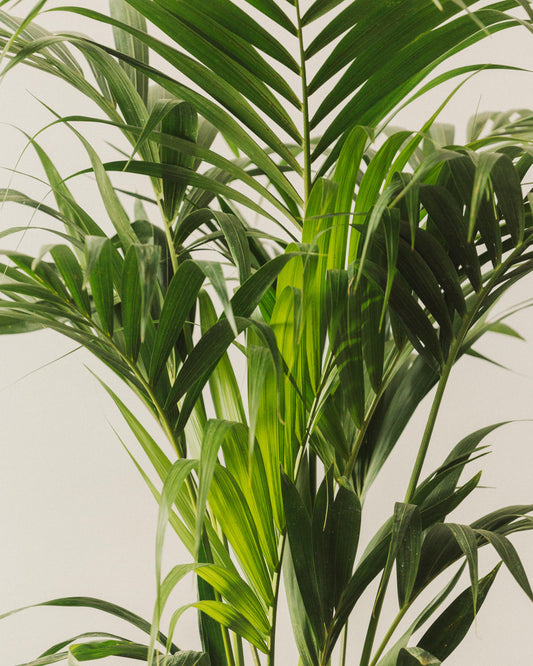


Howea forsteriana, "Kentia Palm"
$85 to $1,200
This Kentia palm is an elegant option for a large specimen indoor plant. Their large sweeping fronds have a graceful, calming appearance. This variety of palm is slow growing which is why larger specimens are more expensive. Kentias are durable and very forgiving and make for a great option for home or office. LIGHT: Full to part sun or very bright, indirect light WATER: Not recommended to pot into a container without a drain hole. This plant likes a thorough watering, then should be allowed to dry down 2" between waterings. POTTING: A fast draining soil mix is ideal for easier drainage. Palms can be sensitive to being removed from a pot. Wait until the plant is rootbound before repotting and be gentle with its roots. FERTILIZER: 1x/mo spring through fall. TOXICITY: Non-toxic DETAILS All pants come in their plastic grower's potDecorative Pots Sold SeparatelyPlants are available in-store pickup or local delivery onlyDelivery surcharge may be applied for oversized plants
Go to product page >