


Access Denied
IMPORTANT! If you’re a store owner, please make sure you have Customer accounts enabled in your Store Admin, as you have customer based locks set up with EasyLockdown app. Enable Customer Accounts
Plant Collection
Plants are available for in-store pickup or local Seattle delivery only. We are not shipping plants at this time. Plants pictured are an example specimen. No two plants are exactly alike. Please be mindful of this when ordering.
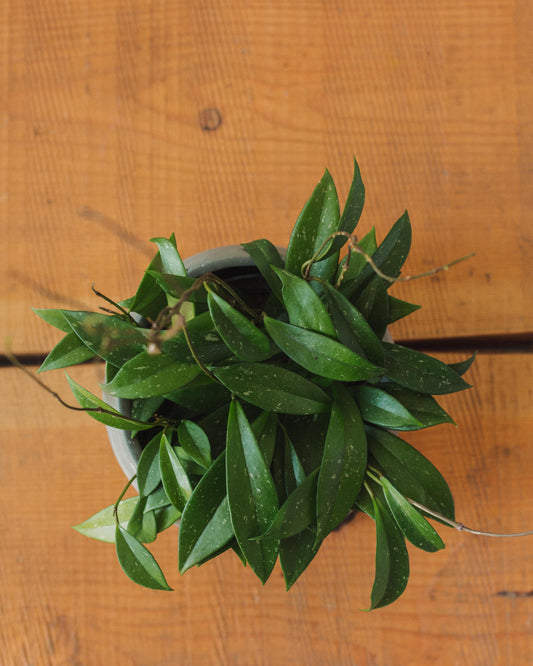


Hoya pubicalyx, "Wax Plant"
$12 to $68
Hoya has 200–300 species within this family of tropical plants, the Apocynaceae. Most are native to Asia including India, China, Thailand, Malaysia, Vietnam, and Indonesia. There are quite some variety in the leaf shape ranging from circular. This variety has an elongated shape with a slight speckle and variegation. LIGHT: Full to part sun. Some direct sun is beneficial. WATER: Allow top 25% of soil to become dry between waterings. TEMPERATURE: The ideal temperature range is 60-80 degrees F TOXICITY This plant is non-toxic. DETAILS All pants come in their plastic grower's potDecorative Pots Sold SeparatelyPlants are available in-store pickup or local delivery onlyDelivery surcharge may be applied for oversized plants
Go to product page >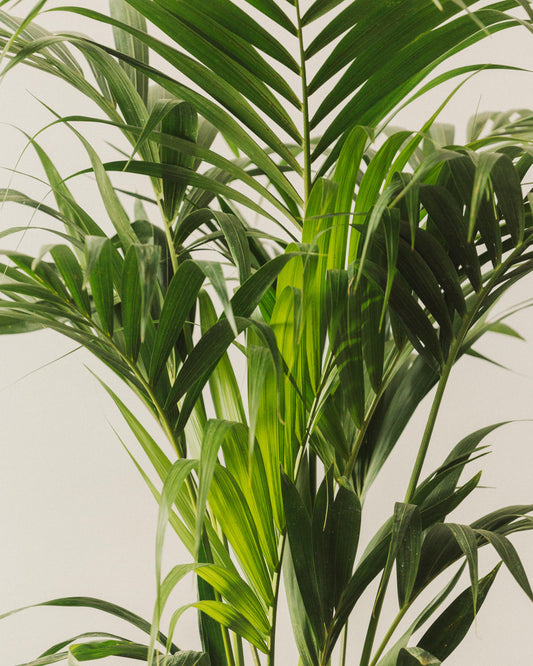


Howea forsteriana, "Kentia Palm"
$85 to $1,200
This Kentia palm is an elegant option for a large specimen indoor plant. Their large sweeping fronds have a graceful, calming appearance. This variety of palm is slow growing which is why larger specimens are more expensive. Kentias are durable and very forgiving and make for a great option for home or office. LIGHT: Full to part sun or very bright, indirect light WATER: Not recommended to pot into a container without a drain hole. This plant likes a thorough watering, then should be allowed to dry down 2" between waterings. POTTING: A fast draining soil mix is ideal for easier drainage. Palms can be sensitive to being removed from a pot. Wait until the plant is rootbound before repotting and be gentle with its roots. FERTILIZER: 1x/mo spring through fall. TOXICITY: Non-toxic DETAILS All pants come in their plastic grower's potDecorative Pots Sold SeparatelyPlants are available in-store pickup or local delivery onlyDelivery surcharge may be applied for oversized plants
Go to product page >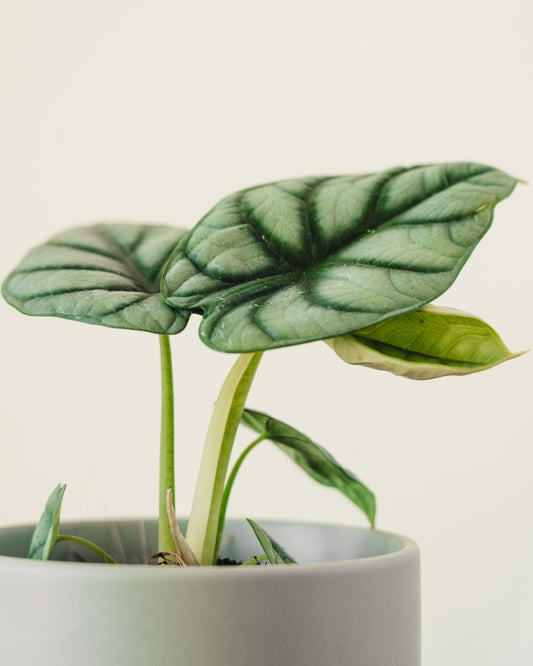


Alocasia baginda 'Silver Dragon'
$18
Alocasias, commonly known as an "Elephant Ear," are known for its distinctly shaped leaves. This 'Silver Dragon' variety is less common and features silver foliage with dark veins that greatly contrast on each leaf. The distinction in features increase as the plant matures. LIGHT: Bright indirect light or direct morning sun. Avoid strong afternoon sun. Rotate regularly to keep plant growing symmetrically. WATER: Allow top 25% of the soil to dry slightly between waterings. POTTING: Not recommended for potting in a container without a drain hole. Plants must have a well-draining soil medium to ensure the roots do not rot. FERTILIZE: Spring through fall 1x/mo with 1/2 strength fertilizer TOXICITY: This plant is toxic. DETAILS All pants come in their plastic grower's potDecorative Pots Sold SeparatelyPlants are available in-store pickup or local delivery onlyDelivery surcharge may be applied for oversized plants
Go to product page >


Aloe vera
$5 to $150
Aloe Plants are some of the easiest and most beneficial plants to grow. Aloe Vera is the medicinal variety producing a soothing gel that can be used on burns. All other types of Aloe are not medicinal, but are visually stunning with structural foliage and interesting leaf textures and patterns. LIGHT: These plants prefer full to part sun. WATER: Water thoroughly, then allow the soil to dry out completely before watering again. Brown crisp leaf tips usually indicate that the plant needs more water. Yellow, mushy leaves usually indicate overwatering. When in doubt, let it drought! TEMPERATURE: An ideal range is 65-85 degrees. Keep plant away from cold drafts, air conditioners, heaters, and fireplaces. FERTILIZER: Fertilize during their active growing season when they are producing new leaves (spring-fall). ORIGIN: Native to Northern Africa TOXICITY: These plants are toxic and should be kept away from pets and children.
Go to product page >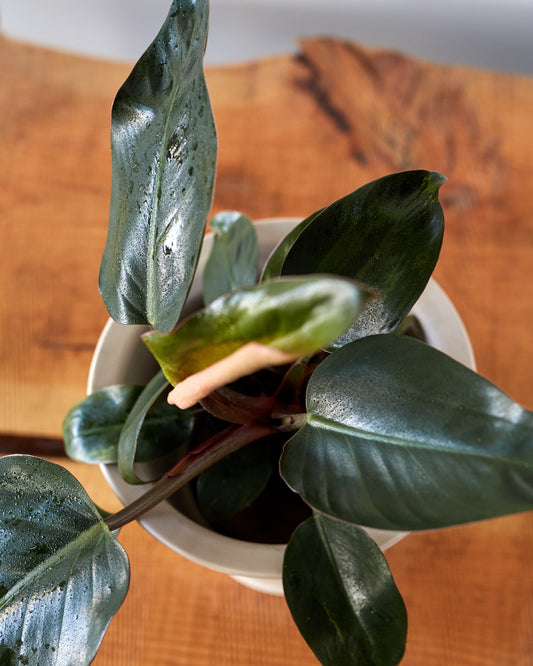


Philodendron tatei, "Congo Rojo"
$12 to $210
Unlike most vining philodendrons, the congo will grow upward and out from the center with deep green ovate leaves and a sprawling habit. Rotate your congo regularly to keep an evenly growing shape. LIGHT Can grow almost anywhere except in the direct sun. In low light the plant often looks stretched out as it tries to reach for the light. WATER Always allow the top 50% of the soil to dry out before watering a Philodendron. When watering, cover the entire surface to prevent leaf problems because of dry soil areas. ̴TEMPERATURE Between 70-85 degrees. Keep these plants away from cold drafts and air conditioners. Higher humidity is a plus, but Philodendrons do well in basic household humidity. ̴Poisonous if ingested. DETAILS All pants come in their plastic grower's potDecorative Pots Sold SeparatelyPlants are available in-store pickup or local delivery onlyDelivery surcharge may be applied for oversized plants
Go to product page >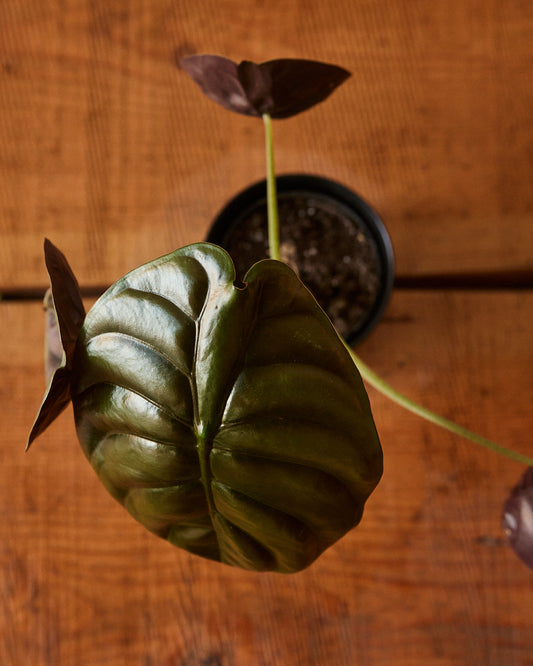


Alocasia Cuprea, 'Red Secret'
$24 to $40
A rare Alocasia variety with metallic deep red and green leaves that are almost iridescent. LIGHT These plants prefer bright, indirect light or direct morning sun. Avoid strong afternoon sun as it may burn the leaves. WATER Water thoroughly, then allow the top 25% of soil to dry out before watering again. Overwatering makes Alocasias susceptible to fungal infections. Alocasias require less water in the winter when they are going through their dormant period. Using filtered or distilled water is recommended. These plants like high humidity, but prefer not to have their leaves wet. Place the plant on a tray of pebbles with water just below the rocks, or use a room humidifier. TEMPERATURE An ideal range is 60-80 degrees. Keep plant away from cold drafts, air conditioners, heaters, and fireplaces. FERTILIZER Fertilize during their active growing season when they are producing new leaves (spring-fall). ORIGIN Native to Asia NOTES These plants are toxic and should be kept away from pets and children. Remove flowers when the plant blooms to encourage new growth. DETAILS All pants come in their plastic grower's potDecorative Pots Sold SeparatelyPlants are available in-store pickup or local delivery onlyDelivery surcharge may be applied for oversized plants
Go to product page >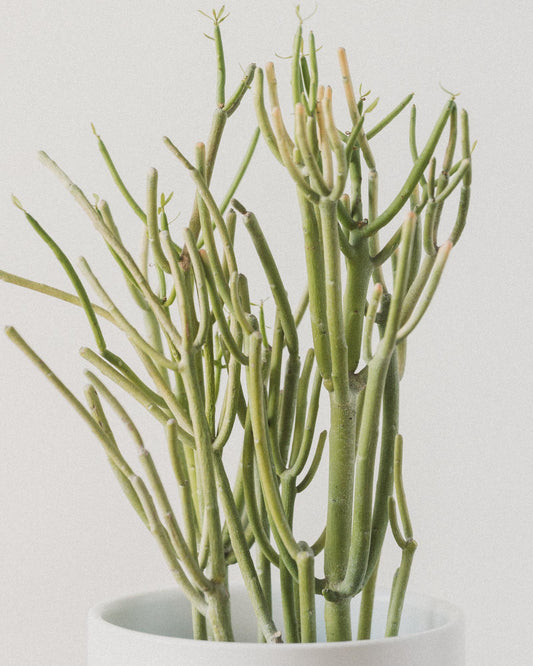


Euphorbia tirucalli, "Firestick Pencil Cactus"
$10 to $264
This unique looking succulent is native to Africa. It is not a true cactus, but a member of the Euphorbia family, related to a Poinsettia. All parts of this plant are extremely toxic. LIGHT This plant can adapt to part sun, but some direct sun is beneficial and often enhances the color of some varieties. WATER This plant is very drought tolerant, especially in the winter. Spring and summer allow the top 50% of soil to dry between waterings, approximately every two to three weeks. Fall and winter allow the soil to dry completely, maybe once per month. Shriveled leaves indicate that the plant needs more water. FERTILIZER Spring and summer fertilizer 1x/month with a balanced houseplant fertilizer at half strength. TEMPERATURE Prefers warmer temperatures in the 65-85 degree F range. Can tolerate temperatures to 50 degrees F in the winter if given very little water. TOXICITY Very poisonous plant. The sap is extremely toxic.
Go to product page >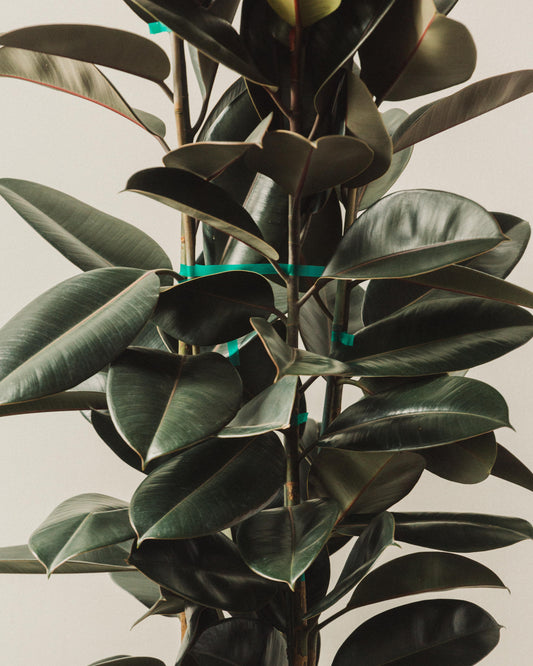


Ficus decora, "Rubber Plant" Burgundy
$15 to $385
Ficus decora aka "Rubber Plants" are some of the easiest species to grow indoors and are easily propagated from stem cuttings. They also provide a nice rich hue of dark burgundy and black amidst the typical green foliage. LIGHT: These plants prefer bright indirect light or direct morning sun. They can adapt to less light if needed. WATER: Water thoroughly, then allow the top 30% of soil to dry out before watering again. Yellow leaves usually indicate overwatering while brown, crispy leaves usually mean the plant needs more water. Keep the soil even drier in lower light. Overwatering causes leaf drop. TEMPERATURE: An ideal range is 70-80 degrees. Keep plant away from cold drafts, air conditioners, heaters, and fireplaces. FERTILIZER: Fertilize during their active growing season when they are producing new leaves (spring-fall). NOTES: These plants are toxic and should be kept away from pets and children. DETAILS All pants come in their plastic grower's potDecorative Pots Sold SeparatelyPlants are available in-store pickup or local delivery onlyDelivery surcharge may be applied for oversized plants
Go to product page >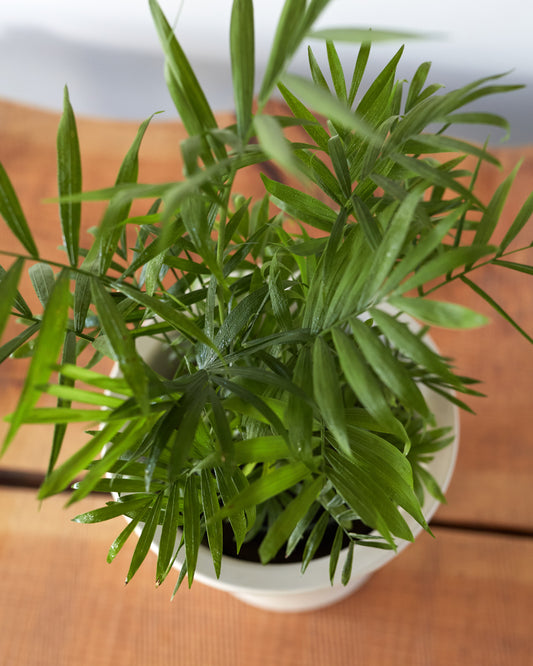


Chamaedorea elegans, ‘Parlour Palm’
$6 to $185
Chamaedorea elegans, the neanthe bella palm or parlour palm, is a species of small palm tree native to the rainforests in Southern Mexico and Guatemala. The parlour palm is one of the most heavily sold houseplant palms in the world. It is pet and people safe. LIGHT Bright, indirect light or direct morning sun. Plant can tolerate low light levels. WATER Allow top of soil to become dry to the touch between waterings, then saturate soil. TOXICITY Non-toxic DETAILS All pants come in their plastic grower's potDecorative Pots Sold SeparatelyPlants are available in-store pickup or local delivery onlyDelivery surcharge may be applied for oversized plants
Go to product page >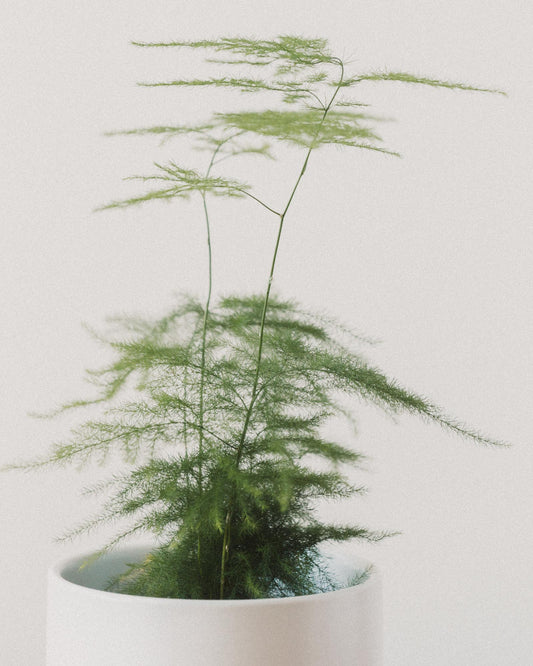
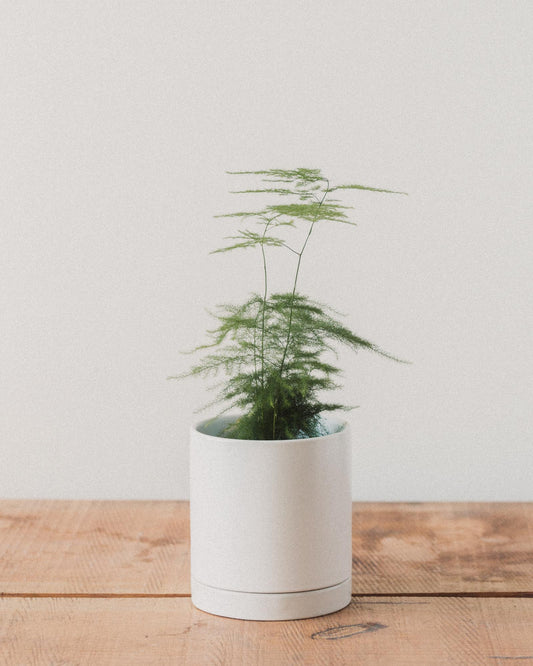
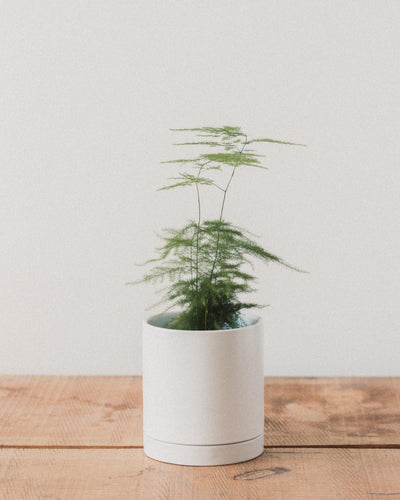
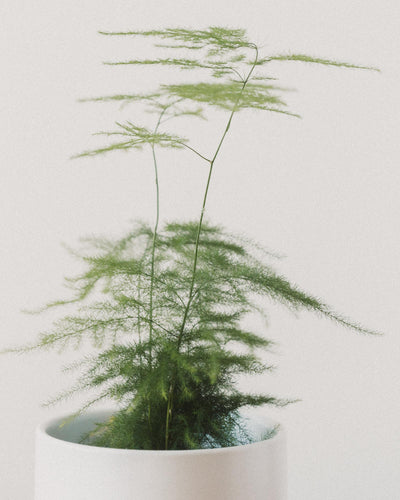
Asparagus setaceus 'Plumosa', "Asparagus Fern"
$7 to $45
Asparagus ferns are not true ferns, but instead, belong in the asparagus family. They are native to South Africa and fairly hardy despite their delicate appearance. LIGHT: Grown best in bright, indirect light or direct morning sun. Lower light levels may cause yellow fronds, thus ferns should be rotated frequently. WATER: Allow the top 10% of the soil to dry before watering. Yellow stems generally indicate the need for more water. Brown stems usually indicate overwatering. This plant can tolerate drought slightly better than other ferns. Plants require more water in the spring-summer and less in the fall-winter. FERTILIZER: Spring through fall 1x/mo TOXICITY: This plant is toxic to people and pets. DETAILS All pants come in their plastic grower's potDecorative Pots Sold SeparatelyPlants are available in-store pickup or local delivery onlyDelivery surcharge may be applied for oversized plants
Go to product page >Invalid password
Enter