


Access Denied
IMPORTANT! If you’re a store owner, please make sure you have Customer accounts enabled in your Store Admin, as you have customer based locks set up with EasyLockdown app. Enable Customer Accounts
Pick-up Only
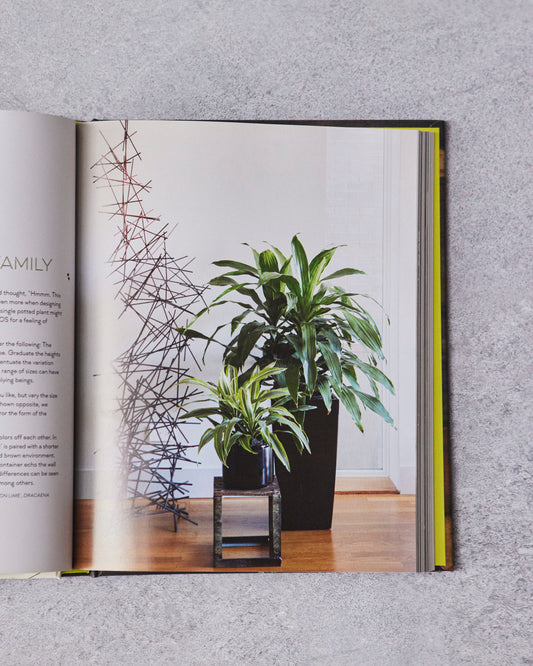


Rooted in Design, Tassy De Give and Tara Heibel
$25
Indoor plants play a large role in the design and feel of a space. Focusing on indoor gardening–from small containers and vertical installations with air plants to unique tabletop creations–Rooted in Design provides readers with the means to create beautiful and long-lasting indoor landscapes. Tara Heibel and Tassy De Give, owners of the successful Sprout Home gardening stores, offer expert advice for choosing plant varieties and pairing them with unique design ideas. Sharing practical tips honed through hundreds of plant design classes, Heibel and DeGive tell readers everything they need to know to care for their one-of-a-kind green creations. details Ten Speed Press (April 21, 2015) Hardcover, 224 pages 7.8 x 0.9 x 9.5 inches
Go to product page >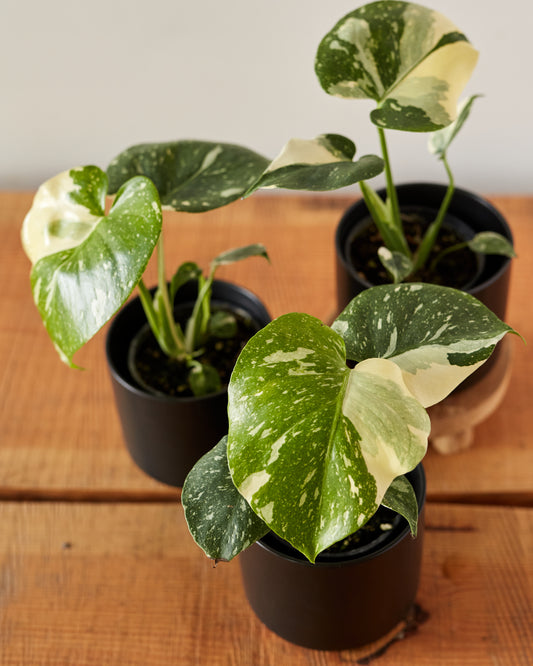

Monstera deliciosa 'Thai Constellation'
$15 to $360


Monstera deliciosa 'Thai Constellation'
$15 to $360
Monstera deliciosa, also known as the “Swiss Cheese Plant” due the unique development of ridges and holes on its more mature leaves, is a species of flowering plant native to the southern Mexico and Panama. The variegated Monstera has similar care to that of solid green monstera deliciosa. The main difference is the white portion of the variegated monstera leaves cannot absorb light, so it needs to work twice as hard to photosynthesize. Therefore low light conditions are not ideal, keep your variegated monstera in bright ambient light and it will be very happy. Choose a location away from air vents and drafts where the monstera can avoid dry air. Monsteras appreciate a warm, humid environment; a good amount of water and gentle sunlight. If you’re unsure about your lighting conditions, placing the plant 5-10 feet from a well-lit window is the safest bet. Water your plant when you first receive it, but it is important not to give too much or too little water. 1 liter is a good place to start. Monsteras prefer soil that is consistently, if slightly, moist. As epiphytes with aerial roots, they are sensitive to overwatering. Typically, you shouldn’t have to water your monstera more than once a week. If the top 2 inches of the soil is dry, your plant could use a drink. For general upkeep, dust the leaves often so the plant can photosynthesize properly. Using fertilizer spring through fall will enhance your plants foliage and promote new growth. DETAILS All pants come in their plastic grower's potDecorative Pots Sold SeparatelyPlants are available in-store pickup or local delivery onlyDelivery surcharge may be applied for oversized plants
Go to product page >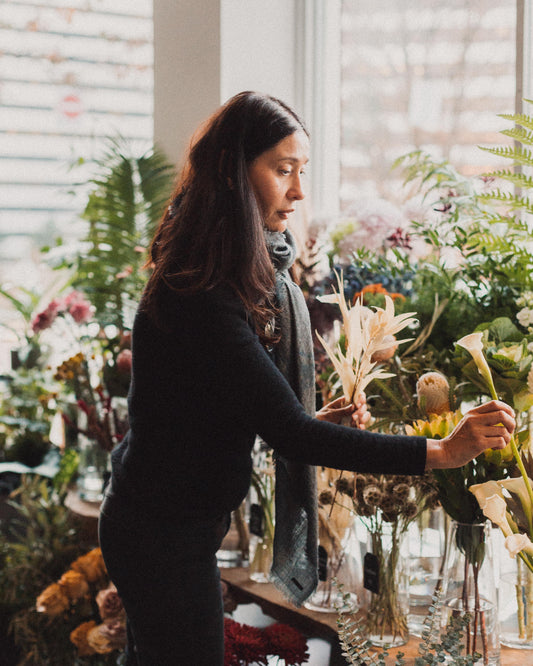


Introduction to Ethnobotany
$45
Archived Workshop: Join us as we explore the relationship between people and plants through the lens of ethnobotany. This class is perfect for plant lovers of all skill sets who want a deeper understanding of where plants come from and how they affect us today. Participants will examine their own culture with a new perspective through the framework of plants. Class outline includes: - Defining the term, “ethnobotany,” its etymology and history - Exploring personal ethnobotanical relationships (i.e. houseplants, gardening, agriculture, permaculture, etc) - Examining plants in ritual and religion - Studying plant materials for clothing, housing, tools, medicine - Exploring plants in art and artifact: Symbolism and visual knowledge - Discussing plants in urban ecology (from houseplants to parks, to street trees and city landscapes) Participants will be encouraged to tell the story of what makes a specific plant important to them and discuss what they have in common through plants while embracing the plants and subjects that are new to them. INSTRUCTOR: ROSIE CULLINANE Rosie Cullinane is one of Glasswing’s Plant Specialists; she earned an MA in Interdisciplinary Studies in Ethnobotany, which focused on ecology, anthropology and art history, at New York University in 2016. Prior to entering graduate school, she was a practicing Master Gardner in Kitsap County, WA for seven years, where she advocated for environmental stewardship through the framework of horticulture. In addition to her role at Greenhouse, Rosie works intermittently on academic projects in collaboration with University art historians, identifying plants in art and artifact for any symbolic, metaphorical or cultural content. Rosie enjoys sharing her plant knowledge and is enthusiastic about general public education and helping people connect the dots between their daily lives and their place on the planet. CLASS DETAILS In this class, you'll receive a copy of Plants, People, and Culture: The Science of Ethnobotany as well as one small plant to take home. Gift a workshop: Our classes make thoughtful, engaging presents. If you'd like to purchase a workshop for someone, please make a note during checkout. Class will take place in our new greenhouse and design studio, located at 1351 E. Olive Way (between Bellevue and Melrose Ave). --Questions? Can't make this class date? Email us, and we'll notify you of our next workshop.
Go to product page >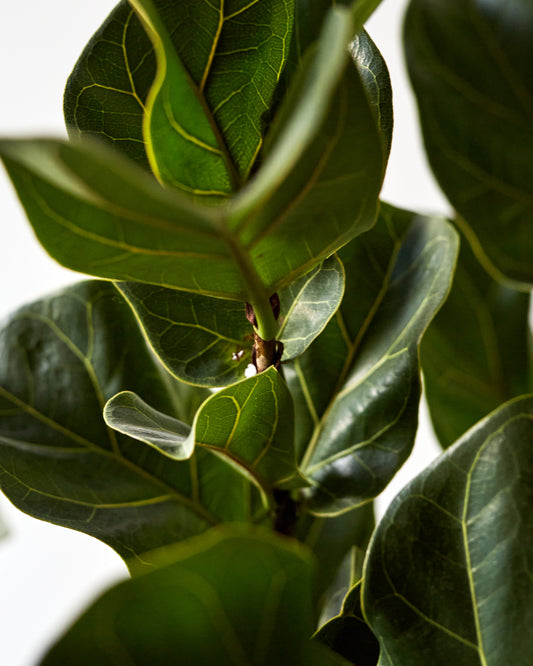


Ficus lyrata 'Little Fiddle' Tree, Fiddle Leaf Fig
$32 to $150
The 'Little Fiddle' lyrata is a smaller leaf variety of the Ficus lyrata that grow up to 10'+ indoors. Ficus lyratas are usually available in either a bush form with leaves along the entire stalk of the plant or a tree form with leaves just at the top of the main stalk. If you have a requested shape, please make a note on your order and we will do our best to accommodate. LIGHT: Bright indirect light. Insufficient light causes small leaves and leaf drop. Too much sun causes the leaves of a Fiddle Leaf Fig to fade and lose their dark green color. WATER: Allow the top 30% of topsoil to dry out and the leaves to become soft and flexible before watering. POTTING: All-purpose organic potting soil and a well draining pot situation is ideal. Like all Ficus Trees, this variety likes being root-bound in small pots. TEMPERATURE:60-80° Keep away from air conditioners, drafts, and heating vents. Intense cold or heat causes leaf drop. FERTILIZE 1x/month during it's active growing season (spring-fall). ORIGIN West Africa TOXICITY: Plant is toxic and should be kept away from pets and children. NOTES: Spray leaves every other week with warm soapy water or a mixture of neem oil to ward off plant pests. Spraying the leaves also keeps them dust free and clean so they can absorb more light. DETAILS All pants come in their plastic grower's potDecorative Pots Sold SeparatelyPlants are available in-store pickup or local delivery onlyDelivery surcharge may be applied for oversized plants
Go to product page >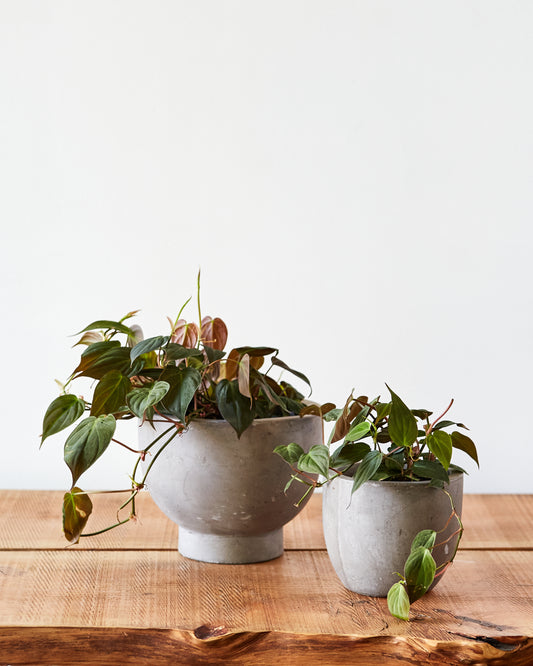


Philodendron micans, "Velvet Leaf Philodendron"
$14 to $68
Originally found in the Caribbean, the micans is loved for its velvety sheen and colorfully varied foliage. In their natural habitat, micans will grow against a host tree and root into the bark. Allow your micans to trail for a long and delicate effect, or encourage climbing with a trellis or moss pole for more dense foliage. LIGHT: Medium to bright, indirect light or some direct morning sun. Micans can survive in lower light, but the plant may become leggy. Avoid afternoon direct sun as it may burn the leaves. WATER: Water thoroughly so that water drains out the bottom of the pot, then allow the top 30% of soil to dry before watering again. Make sure the potting medium is fast-draining to prevent root rot. Do not overwater. Signs of overwatering might include water droplets or yellowing edges on the leaves. Signs of under-watering include brown leaf edges. Adding humidity to the environment is beneficial to increase leaf growth. TEMPERATURE: 60-80 degrees F. It generally does not do well in temperatures below 50 degrees. FERTILIZER: 1x/month during it's active growing season (spring through fall) ORIGIN: Native to jungles of the Caribbean NOTES: These plants are toxic and should be kept away from pets and children. DETAILS All pants come in their plastic grower's potDecorative Pots Sold SeparatelyPlants are available in-store pickup or local delivery onlyDelivery surcharge may be applied for oversized plants
Go to product page >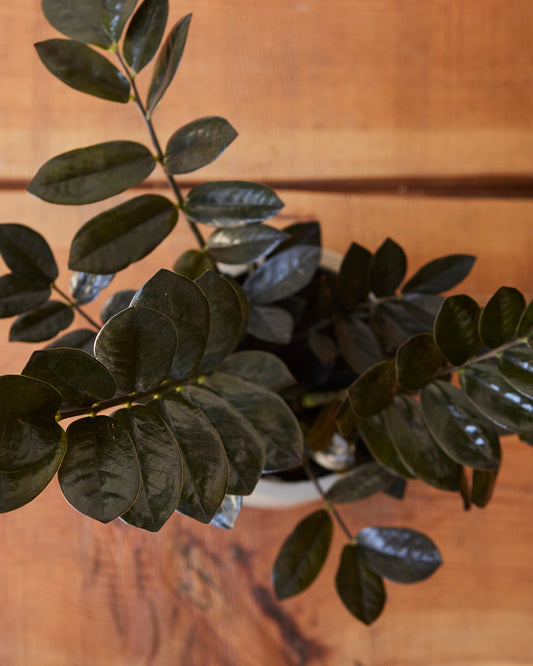

Zamioculcas 'Raven', ZZ Plant
$28 to $148


Zamioculcas 'Raven', ZZ Plant
$28 to $148
Zamioculcus Zamiifolia aka "ZZ Plant" is a succulent native to South Africa and thrives on neglect. They have glossy black foliage that forms a zig-zag pattern with an upright growth habit. It is one of the easiest plants to grow. LIGHT: These plants can take a range of light from extremely low light to bright indirect light or direct morning sun. WATER: Water thoroughly, then allow the top 75% of soil to dry out before watering again. Yellow leaves usually indicate overwatering or severe underwatering. Keep the soil even drier in lower light. Soggy soil will cause the rhizomes to rot. TEMPERATURE: An ideal range is 60-80 degrees. FERTILIZER: Fertilize during their active growing season when they are producing new leaves (spring-fall). REPOTTING: Plants produce more leaves when rootbound. TOXICITY: Plant is toxic and should be kept away from children and pets. DETAILS All pants come in their plastic grower's potDecorative Pots Sold SeparatelyPlants are available in-store pickup or local delivery onlyDelivery surcharge may be applied for oversized plants
Go to product page >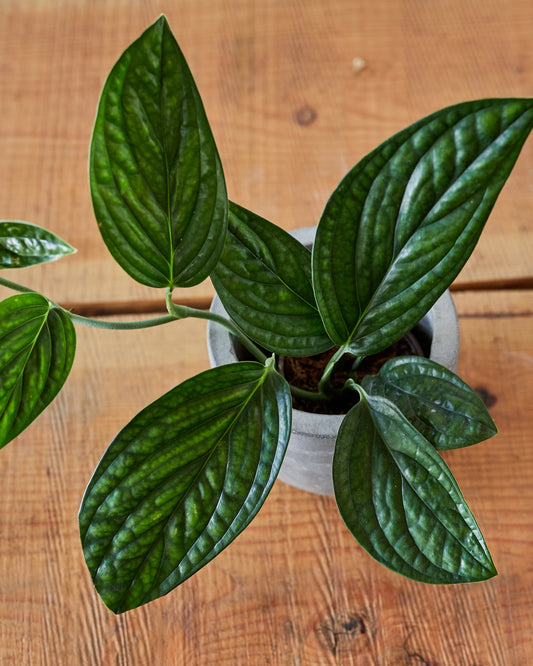
Monstera karstenianum, 'Peru'
$25 to $45
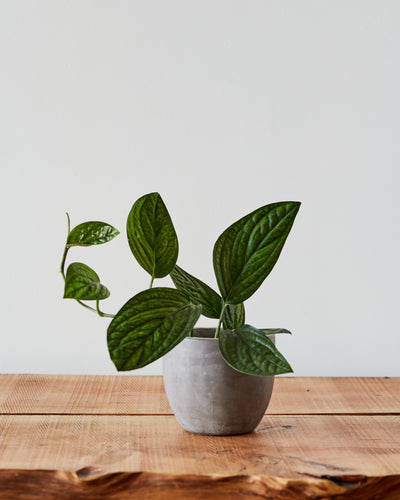
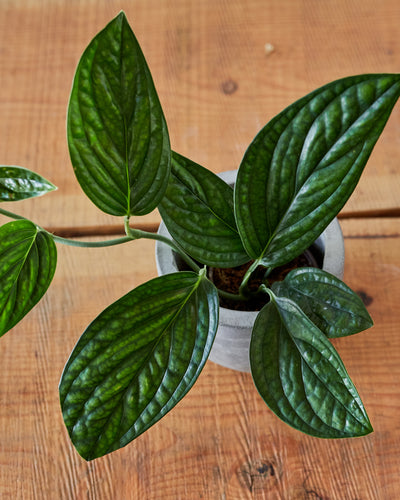
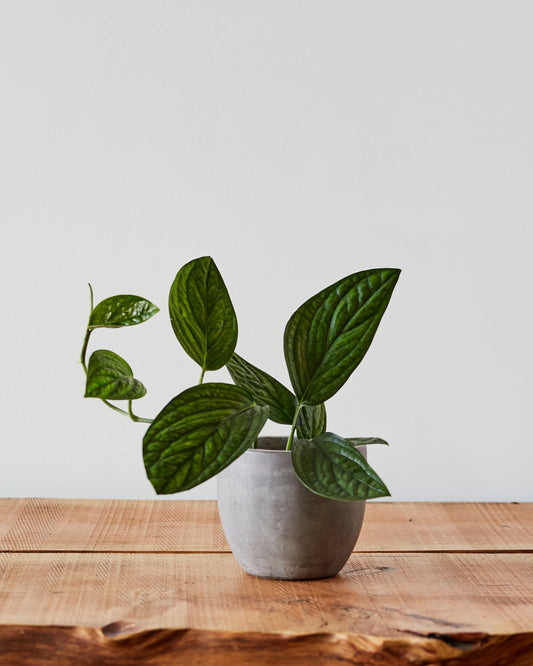
Monstera karstenianum, 'Peru'
$25 to $45
A south American vining plant with 'quilted' shiny leaves. This rare relative of the Monstera Deliciosa will add a textural element to your plant family. We love it trailing or supported and climbing. LIGHT: Will tolerate part shade, moderate to bright light. No direct sun. Plant will produce smaller leaves if there is not enough light. WATER: Water thoroughly in the summer, allowing the top 30% of the soil to dry out between waterings. Water less in the winter. Mist occasionally. TEMPERATURE: Ideal temperatures range between 55-75 degrees F, with a minimum of 50 degrees F in the winter. FERTILIZER: Fertilize once a month during the growing season. Occasionally wash mature leaves with a damp cloth. DETAILS All pants come in their plastic grower's potDecorative Pots Sold SeparatelyPlants are available in-store pickup or local delivery onlyDelivery surcharge may be applied for oversized plants
Go to product page >

Philodendron hastatum, 'Silver Sword'
$6 to $212


Philodendron hastatum, 'Silver Sword'
$6 to $212
Philodendron hastatum, commonly known as the silver sword philodendron, is known for its silvery coloration especially in juvenile leaves. Easy to care for, and willing to drape or climb upward on a moss pole, the Silver Sword philodendron adds a hint of color differentiation to your plant collection. Easy to care for and propagate. LIGHT: Bright Indirect WATER: Dry 10% Down TOXIC if ingested DETAILS All pants come in their plastic grower's potDecorative Pots Sold SeparatelyPlants are available in-store pickup or local delivery onlyDelivery surcharge may be applied for oversized plants
Go to product page >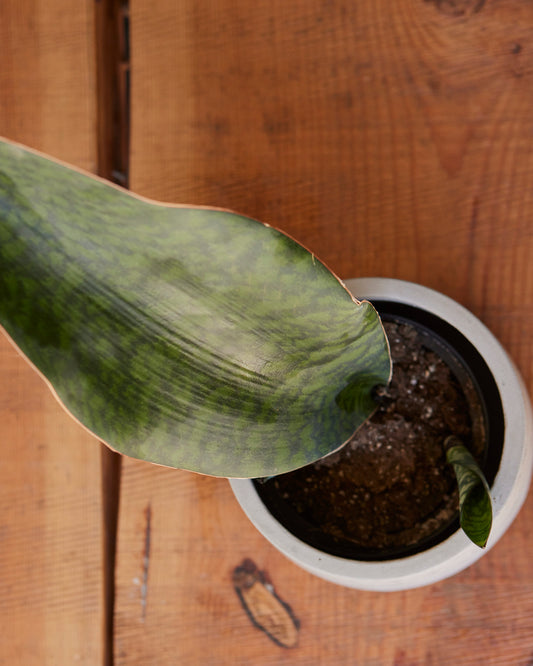


Dracaena masoniana Whale Fin, "Snake Plant"
$50
Originally native to South Africa, the Snake Plant (formerly classified as Sansevieria) is one of the hardiest indoor plants available. It thrives on neglect and can also take a range of light, which makes it a good option for many homes and offices. This plant was also listed as one of NASA's top 10 best air purifying plants. They can remove benzene, formaldehyde, and other chemicals from the air. LIGHT This plant can take a broad range of light from full sun to low light. However, the more sun the plant receives, the quicker the leaves will grow. WATER Water a snake plant sparingly. It is better to underwater than to over water. Make sure to use a well-draining soil medium and ensure soil is dry at least 50% down between waterings. In the winter, when the plant goes through dormancy and receives less light, water the plant only 1-2x/month. TEMPERATURE The ideal temperature range is 60-80 degrees Fahrenheit. FERTILIZER Only use fertilizer during the active growing season (April-October) with 1/2 strength cactus food. Do not use fertilizers containing nitrates. TOXICITY Plant is toxic and should be kept away from pets and children. Plants are for in-store pickup only.
Go to product page >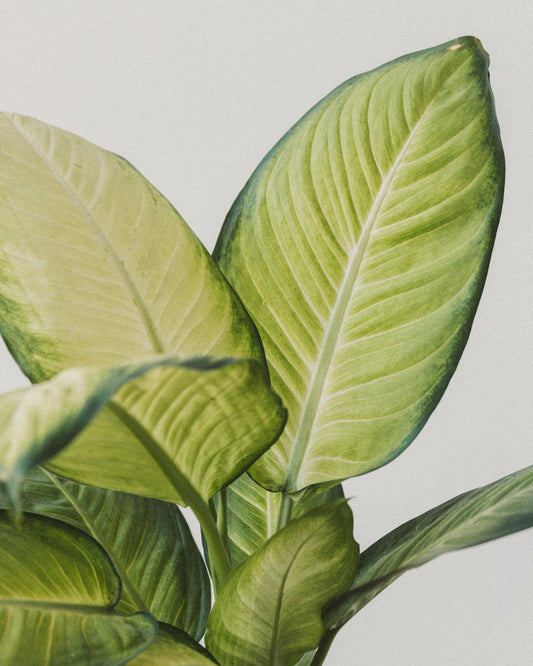

Dieffenbachia Camille, "Dumb Cane"
$12 to $140


Dieffenbachia Camille, "Dumb Cane"
$12 to $140
Dieffenbachias are fast-growing houseplants that have interesting leaf patterns and colors. Also called "Dumb Cane", these plants are highly toxic and should not be ingested or pruned without gloves. LIGHT Dieffenbachias prefer bright, indirect light or direct morning sun. Too much light will cause leaf color to fade or leaves to burn. Too little light produces small foliage. WATER Allow top 25% of soil to dry between waterings. If soil is too dry, bottom leaves may yellow. If soil is too moist, stems may turn mushy. During the winter season watering should be reduced. FERTILIZER Once per month during the active growing season. TEMPERATURE 60-80F. If exposed to cold drafts, the bottom leaves may turn yellow or the leaves may droop. NOTES Flowers are insignificant and should be removed to provide more energy for new growth.
Go to product page >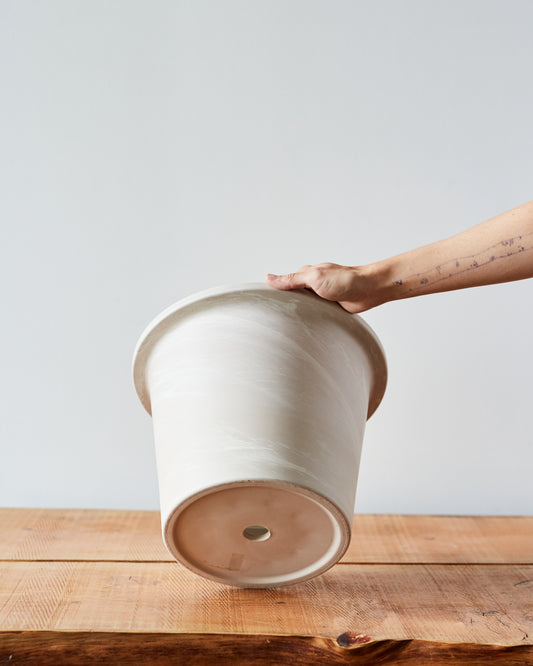

Granite Pot, Tan
$8 to $33


Granite Pot, Tan
$8 to $33
A fresh update of a classic terracotta garden pot and saucer, the Granite collection features a slightly fluted clay pot with a lip and optional saucer. Softly marbled tan unglazed pot comes in two sizes with coordinating saucers sold separately. Variation in the finish will occur from piece to piece.
Go to product page >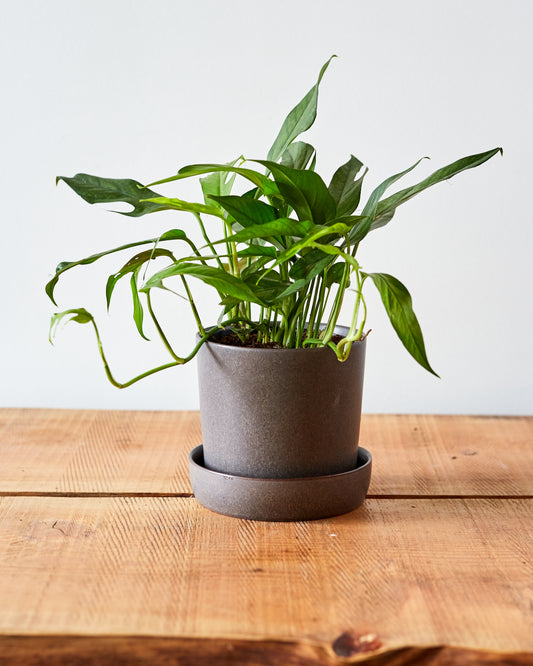

Watson Pot, Black
$13 to $43


Watson Pot, Black
$13 to $43
A simply designed pot with drainage that comes with a matching saucer. Available in three sizes. The saucer has a deep fit making it easy to water. approximate sizing XS - 3.5 x 3.5 x 3.5" (3" diameter)S - 5.25 x 5.25 x 5.0" (4.5" diameter)M - 6.75 x 6.75 x 6.5" (6" diameter) details Ceramic
Go to product page >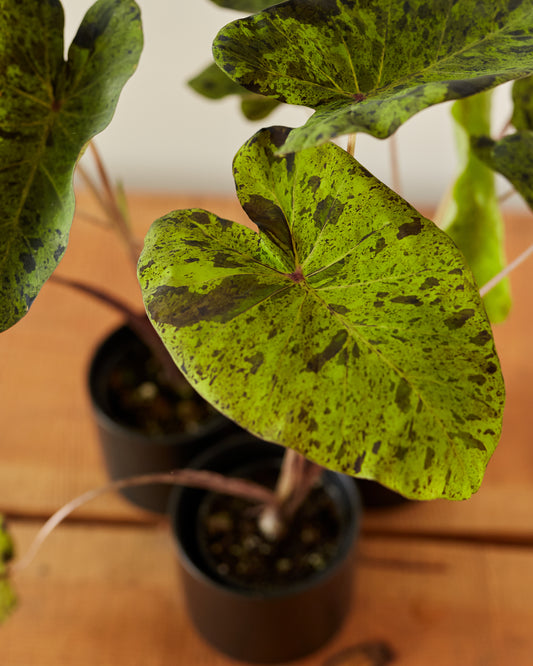

Colocasia esculenta 'Mojito'
$20 to $25


Colocasia esculenta 'Mojito'
$20 to $25
Colocasia is a genus of flowering plants in the family Araceae, native to southeastern Asia and the Indian Subcontinent. Some species are widely cultivated and naturalized in other tropical and subtropical regions. Mojito colocasias have a bold, irregularly speckled foliage pattern. LIGHT Bright, indirect light or direct morning sun WATER Keep moist at all times. Can be planted in standing water. DETAILS All pants come in their plastic grower's potDecorative Pots Sold SeparatelyPlants are available in-store pickup or local delivery onlyDelivery surcharge may be applied for oversized plants
Go to product page >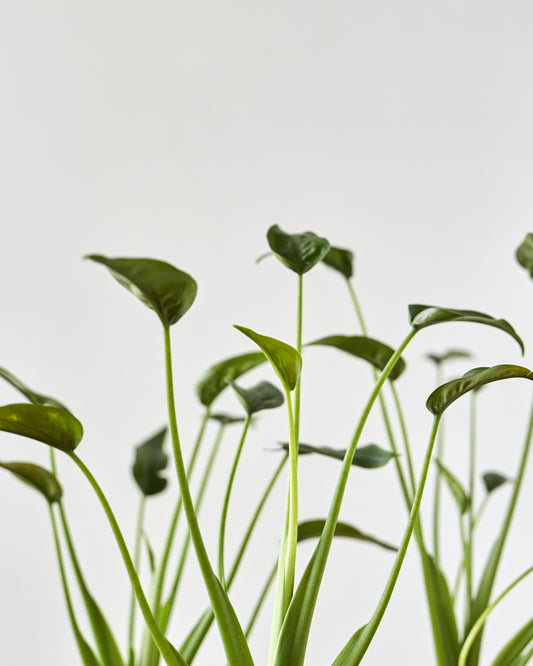


Alocasia 'Tiny Dancer'
$15
Tiny Dancer, or 'alocasia brisbanensis × alocasia odora' (which means it's a hybrid between the alocasia brisbanensis and alocasia odora) has delicate swooping stems and small leaves. LIGHT: Bright indirect WATER: Keep evenly moist DETAILS All pants come in their plastic grower's potDecorative Pots Sold SeparatelyPlants are available in-store pickup or local delivery onlyDelivery surcharge may be applied for oversized plants
Go to product page >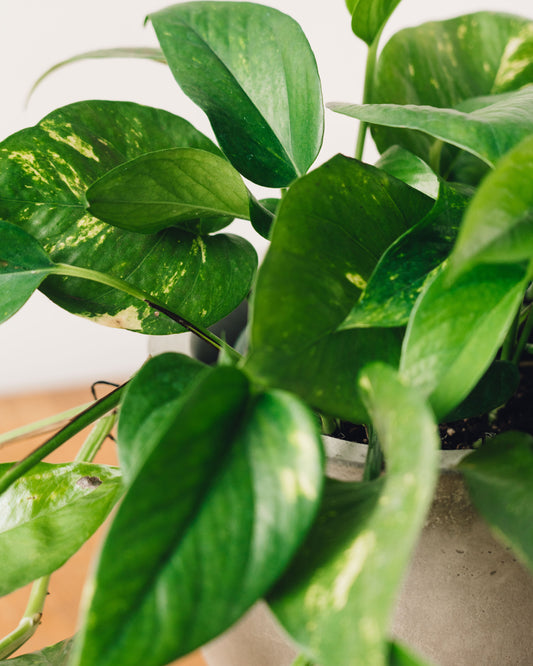

Epipremnum aureum, "Golden Pothos"
$4 to $285


Epipremnum aureum, "Golden Pothos"
$4 to $285
A native jungle plant in Malaysia, this plant epitomizes a tropical garden. It propagates quickly from stem cuttings and can be trained to grow down shelves or around rooms. A perfect plant for the beginning gardener or anyone who wants to create a lush landscape indoors. LIGHT: Bright indirect light, but can adapt to lower light conditions if necessary. WATER: Allow soil to dry 30% down between waterings. Yellow leaves with black tips generally indicate overwatering, while bright yellow, droopy, or brown, crispy leaves indicate under-watering. FERTILIZER: Once per month during the active growing season. TEMPERATURE: 60-80F degrees is ideal. REPOTTING: Plants like to be root bound. Do not repot until the roots fill the container. NOTES: Plants are toxic and should be kept away from pets and children. This plant is on NASA's clean air list and removes formaldehyde from the air. DETAILS All pants come in their plastic grower's potDecorative Pots Sold SeparatelyPlants are available in-store pickup or local delivery onlyDelivery surcharge may be applied for oversized plants
Go to product page >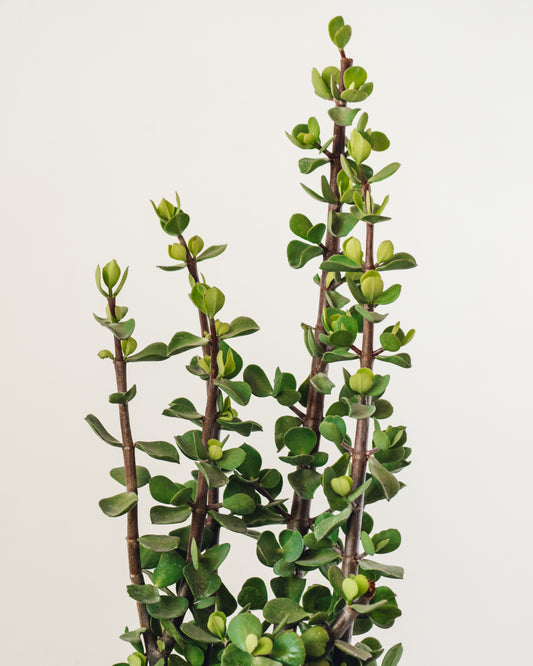

Portulacaria afra, "Elephant Bush"
$12 to $68


Portulacaria afra, "Elephant Bush"
$12 to $68
A stalking plant that is apart of the succulent family. The bush has thick succulent brown stems with small tender green leaves that resemble a diminutive jade plant. They thrive in bright light in a warm, draft free room. Elephant bush is aptly named because in the wild, the plant may get 6 to 20 feet tall where it is a favorite food of elephants. As an indoor plant, it is much more likely to remain just a few feet tall. LIGHT: Full to part sun WATER: Allow top 50% of soil to dry between waterings. Shriveled leaves indicate the plant needs more water. Water more often during the active growing season, less often in dormancy. TEMPERATURE: An ideal range is 60-80 degrees. Keep plant away from cold drafts, air conditioners, heaters, and fireplaces. FERTILIZER: Fertilize during their active growing season (spring-fall). ORIGIN: Native to South Africa TOXICITY: These plants are toxic and should be kept away from pets and children. DETAILS All pants come in their plastic grower's potDecorative Pots Sold SeparatelyPlants are available in-store pickup or local delivery onlyDelivery surcharge may be applied for oversized plants
Go to product page >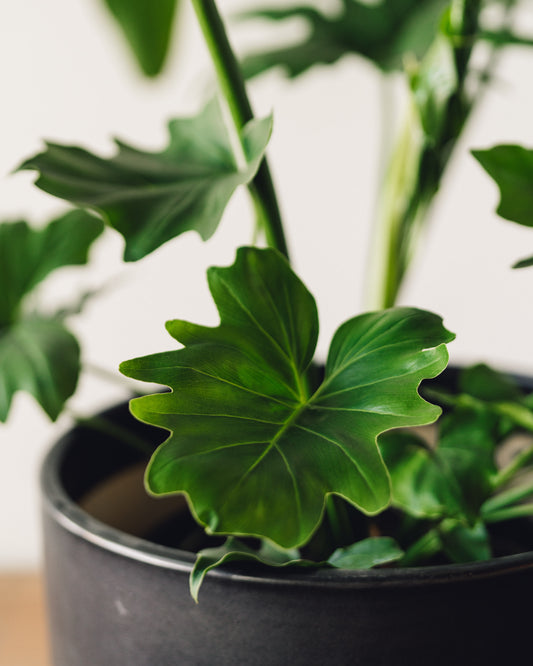


Thaumatophyllum bipinnatifidum, "Tree Philodendron"
$11 to $225
Thaumatophyllum bipinnatifidum, formerly known as a Tree Philodendron, is a striking tropical plant that thrives in indoor settings. Its dramatic, deeply lobed leaves make it a favorite among plant enthusiasts, adding a touch of lush elegance to any space. Easy to care for and adaptable, it’s a perfect choice for both novice and experienced plant lovers alike. LIGHT: Bright indirect light. In lower light, the leaves turn a darker green; direct sun or too much light burns or fades the leaves. WATER: Allow top 50% of soil to dry between waterings. Yellow leaves usually indicate too much water. TEMPERATURE: Warm temperatures above 55 degrees. Keep them away from drafts and open doors especially during the winter. TOXICITY: Plant is toxic and should be kept away from pets and children. ORIGIN: North, Central and South America DETAILS All pants come in their plastic grower's potDecorative Pots Sold SeparatelyPlants are available in-store pickup or local delivery onlyDelivery surcharge may be applied for oversized plants
Go to product page >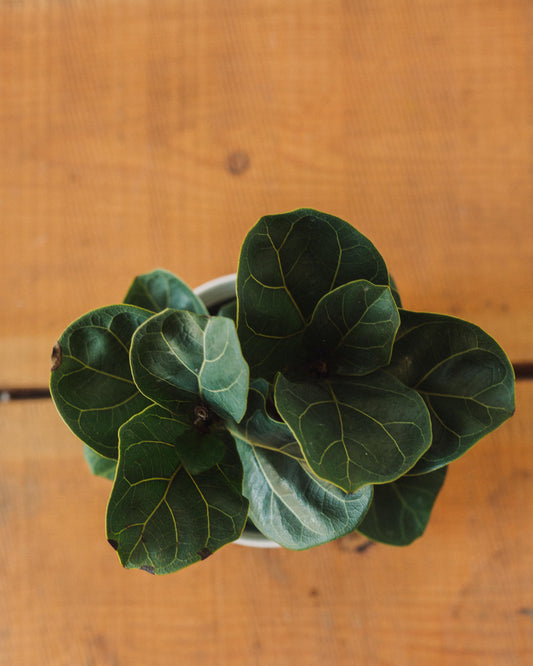

Ficus lyrata, "Fiddle Leaf Fig"
$15 to $325


Ficus lyrata, "Fiddle Leaf Fig"
$15 to $325
One of the most sculptural plants with its large and elegant leaves. Available in a variety of shapes and sizes. Turn a Fiddle Leaf frequently to keep it growing straight. We have a variety of different Ficus Lyratas from "little fiddles" with tinier leaves to wide broad leaf bush shaped specimens. If you have a requested shape, please make a note on your order and we will do our best to accommodate. LIGHT: Bright indirect light. Insufficient light causes small leaves and leaf drop. Too much sun causes the leaves of a Fiddle Leaf Fig to fade and lose their dark green color. WATER: Allow the top 30% of topsoil to dry out and the leaves to become soft and flexible before watering. POTTING: All-purpose organic potting soil and a well draining pot situation is ideal. Like all Ficus Trees, this variety likes being root-bound in small pots. TEMPERATURE: 60-80° Keep away from air conditioners, drafts, and heating vents. Intense cold or heat causes leaf drop. TOXICITY: Plant is toxic and should be kept away from pets and children. NOTES: Spray leaves every other week with warm soapy water or a mixture of neem oil to ward off plant pests. Spraying the leaves also keeps them dust free and clean so they can absorb more light. DETAILS All pants come in their plastic grower's potDecorative Pots Sold SeparatelyPlants are available in-store pickup or local delivery onlyDelivery surcharge may be applied for oversized plants
Go to product page >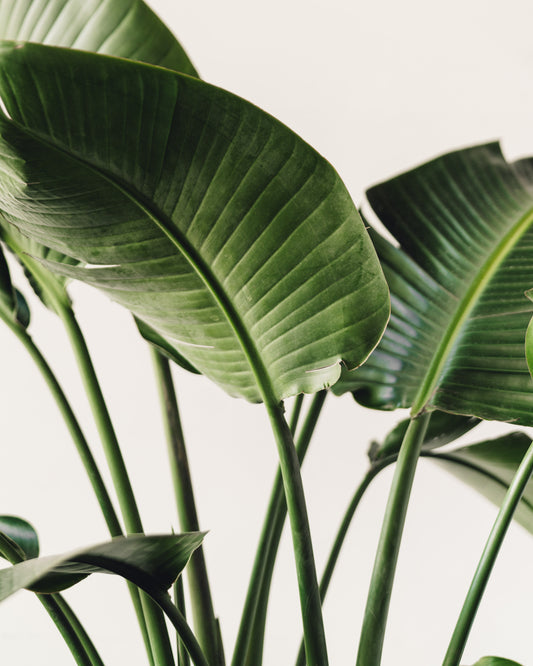

Strelitzia nicolai, ‘White Bird of Paradise’
$12 to $825


Strelitzia nicolai, ‘White Bird of Paradise’
$12 to $825
Often mistaken for a banana plant because of its large leaves, this lush and beautiful plant thrives indoors. It is native to South Africa where it often blooms, but will rarely produce a flower indoors. LIGHT: Full to part sun. Rotate the plant so the light is even on all sides. Some direct sun is beneficial. WATER: Allow top 30% of soil to dry between waterings, then thoroughly soak the plant. This plant needs less water in the fall and winter. Curling leaves could be a sign that the plant needs more water. High humidity preferred. FERTILIZER: Once per month during the active growing season. TEMPERATURE: 60-80 degrees NOTES: Plant leaves require dusting occasionally. DETAILS All plants come in their plastic grower's potDecorative Pots Sold SeparatelyPlants are available for in-store pickup or local delivery onlyDelivery surcharge may be applied for oversized plants
Go to product page >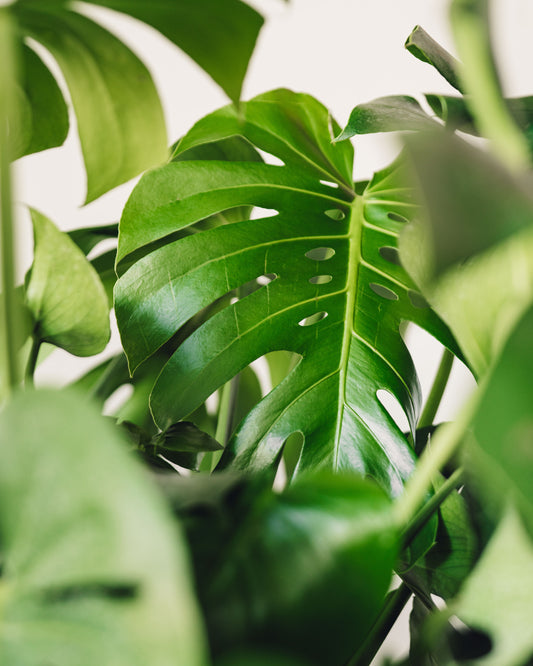


Monstera deliciosa, "Split Leaf Philodendron"
$6 to $220
The Monstera deliciosa or Split Leaf Philodendron as it is sometimes called, is actually not a true Philodendron. It has heart-shaped leaves that split as they mature forming interesting leaf patterns. LIGHT: Medium to bright, indirect light or some direct morning sun. Monsteras can survive in lower light, but the leaves won't split and the plant may become leggy. Avoid afternoon direct sun as it may burn the leaves. WATER: Water thoroughly so that water drains out the bottom of the pot, then allow the top 30% of soil to dry before watering again. Make sure the potting medium is fast-draining to prevent root rot. Do not overwater. Signs of overwatering might include water droplets or yellowing edges on the leaves. Signs of under-watering include brown leaf edges. Adding humidity to the environment is beneficial to increase leaf growth. TEMPERATURE: 60-80 degrees F. It generally does not do well in temperatures below 50 degrees. FERTILIZER: 1x/month during it's active growing season (spring through fall) ORIGIN: Native to jungles of Mexico, Panama, India NOTES: These plants are toxic and should be kept away from pets and children. DETAILS All pants come in their plastic grower's potDecorative Pots Sold SeparatelyPlants are available in-store pickup or local delivery onlyDelivery surcharge may be applied for oversized plants
Go to product page >Invalid password
Enter